
Bank of Russia Discusses Key Rate, Prices, and Regional Economic Development with Tomsk Business and Academic Community
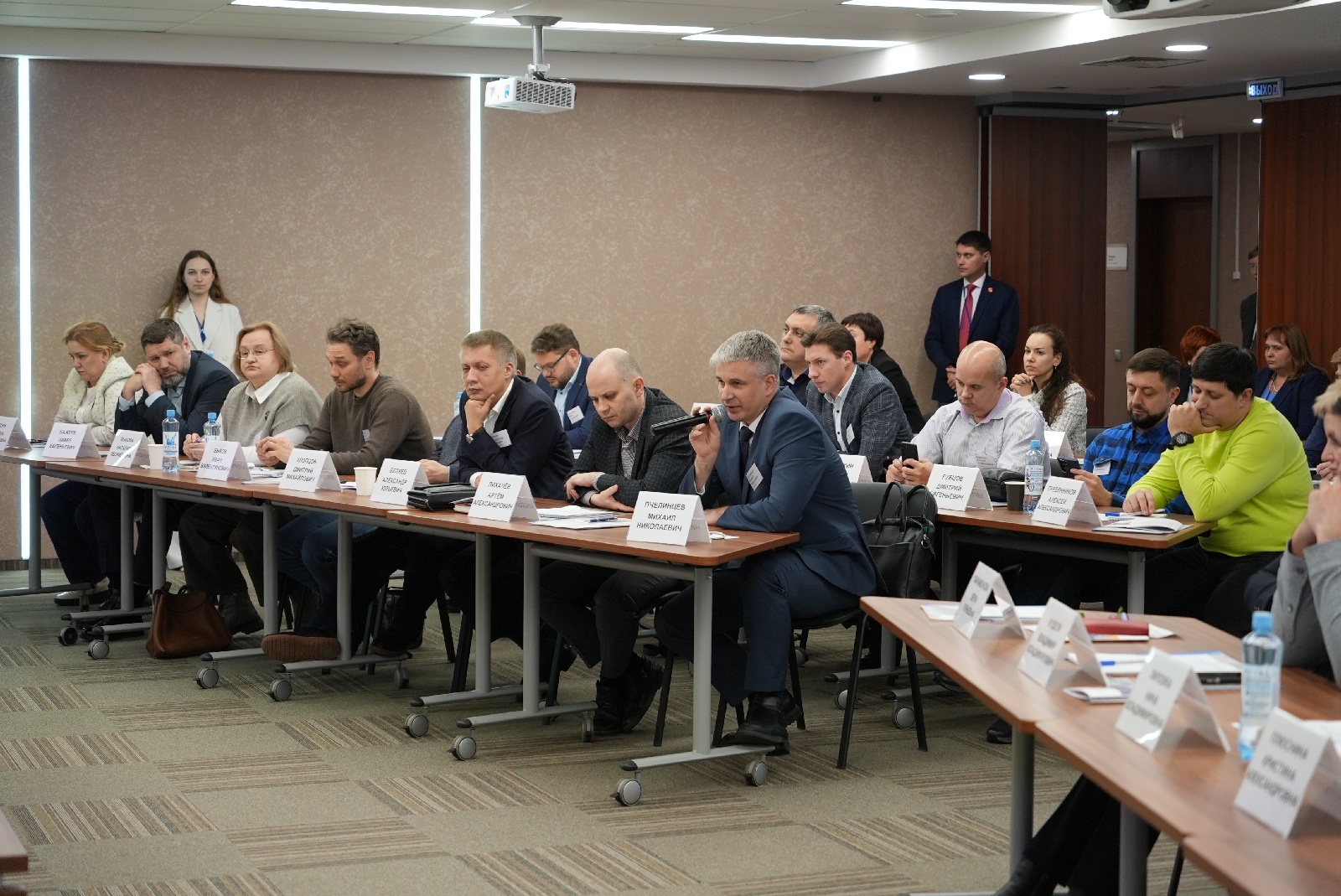
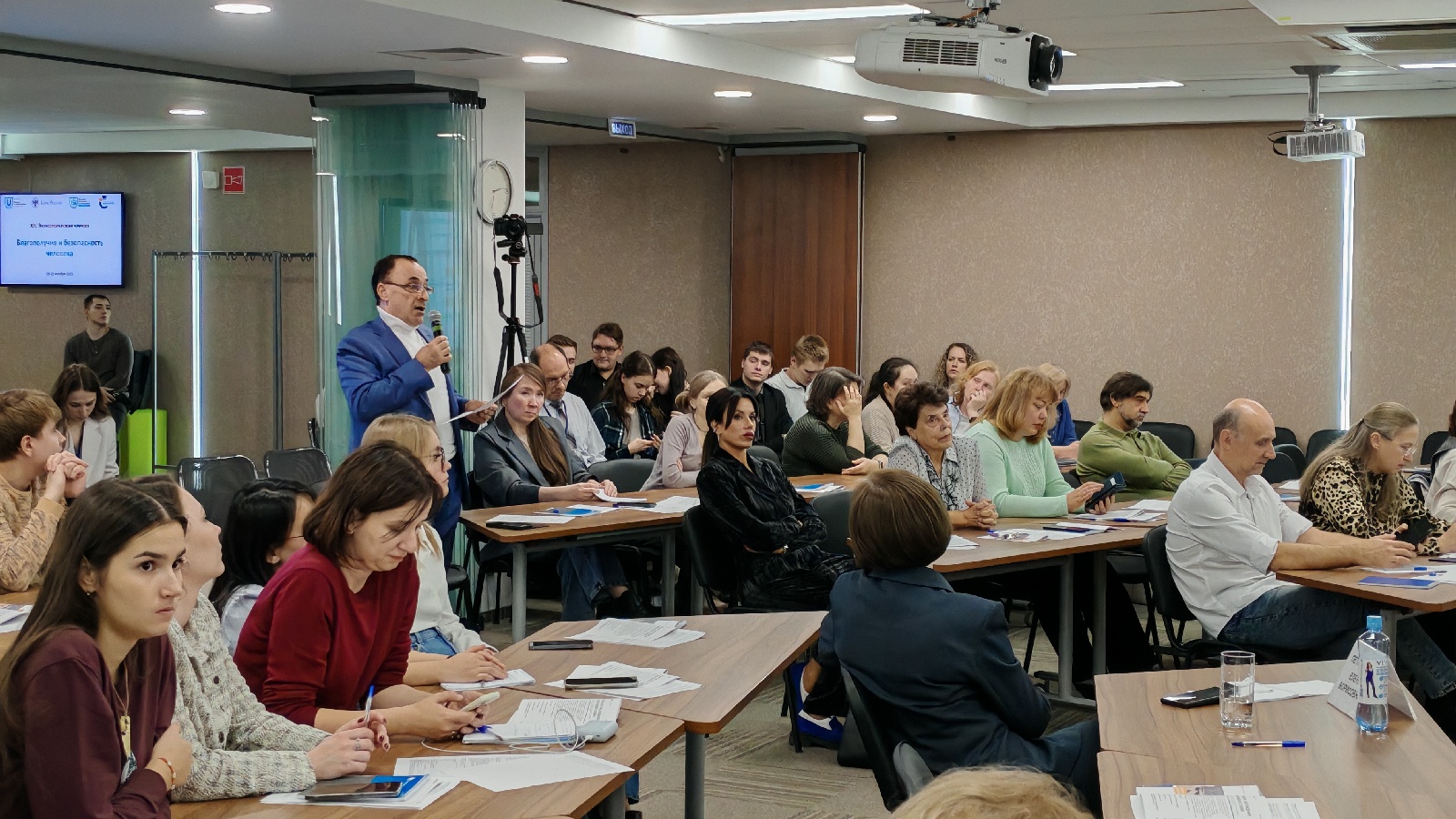
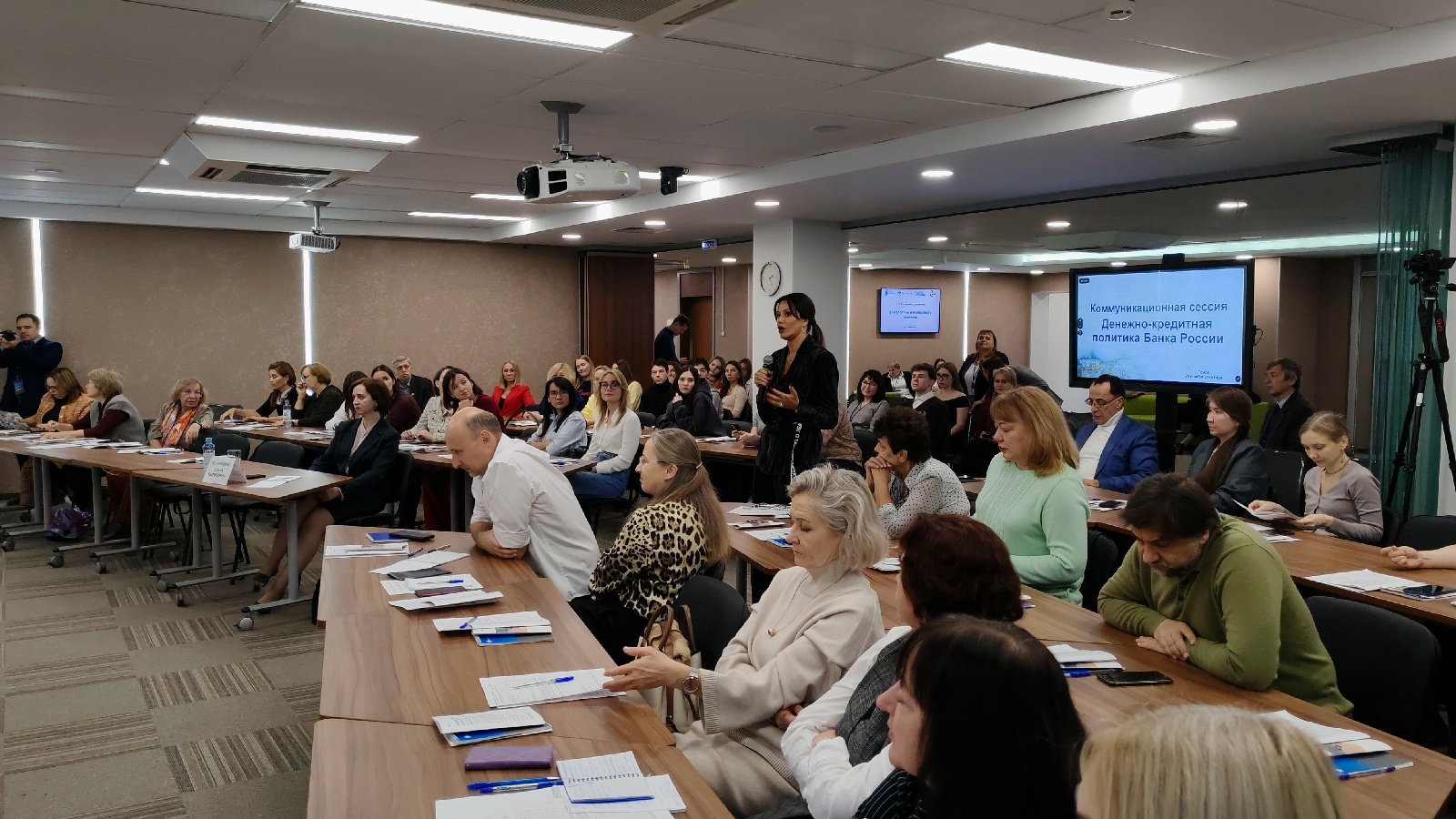
Within the framework of the International Scientific-Practical Conference "XIV Economic Readings: Human Well-being and Security," the Bank of Russia held two communication sessions at the Institute of Economics and Management, Tomsk State University: one with representatives of the Tomsk Oblast business community and another with the Tomsk academic community.
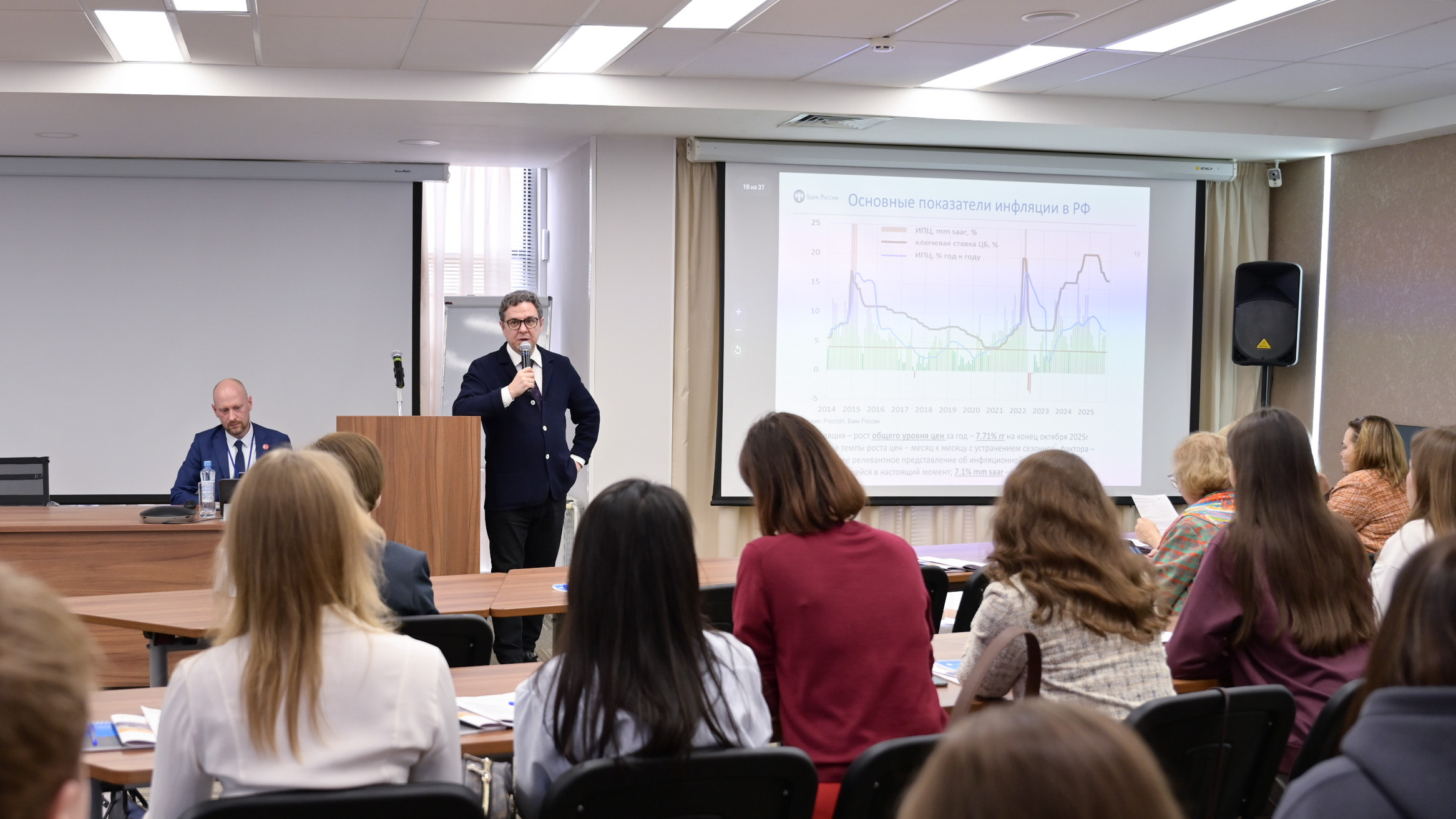
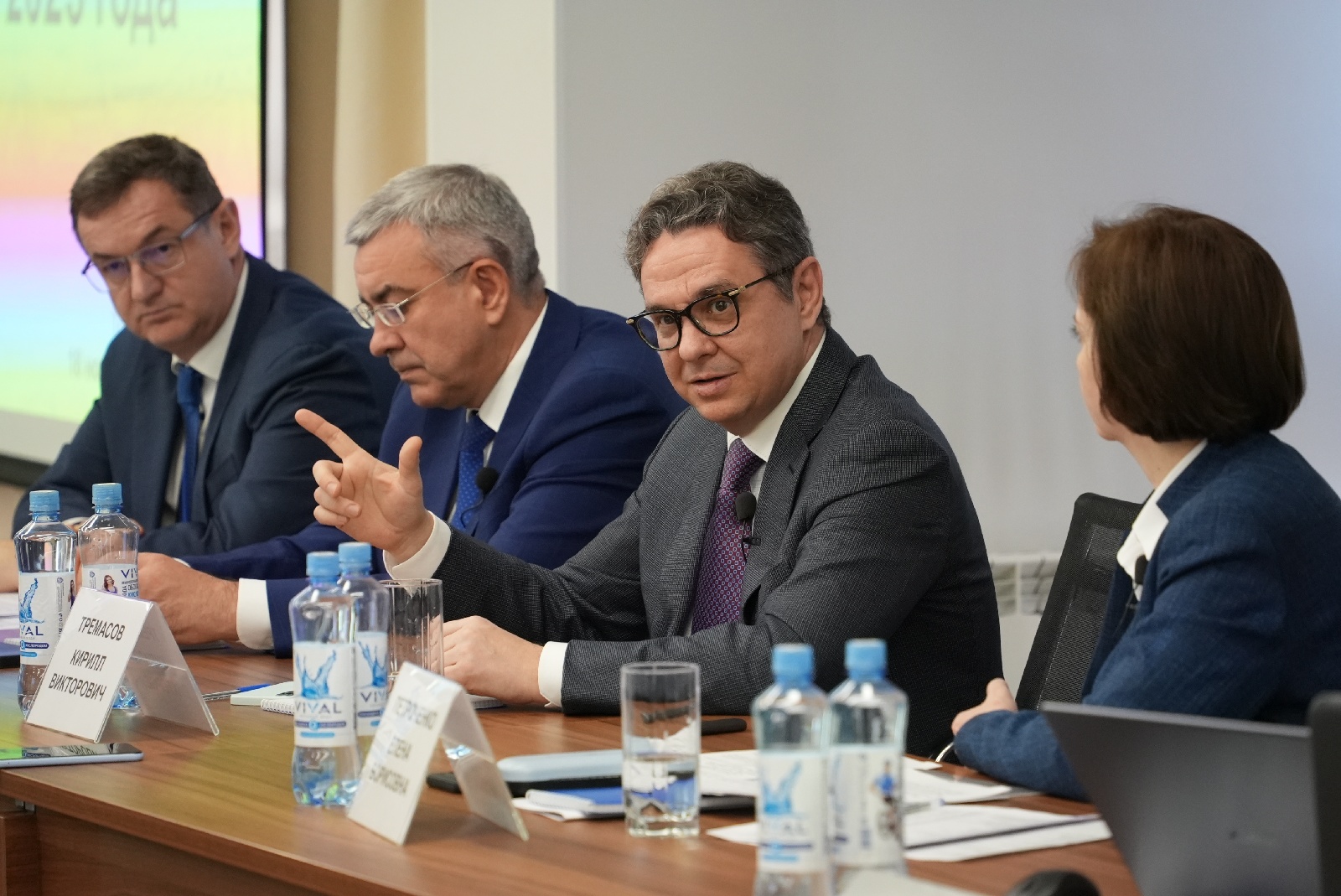
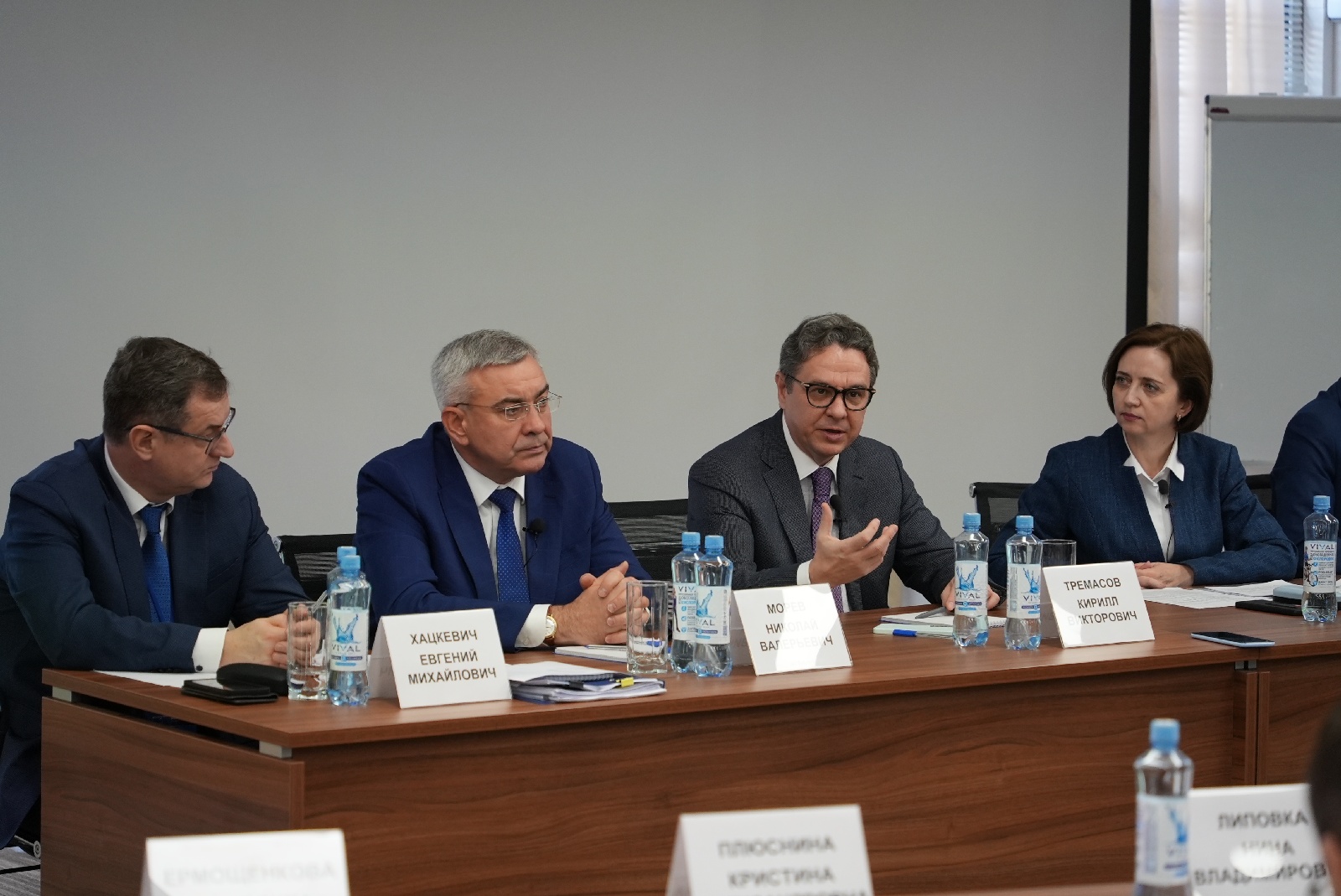
Advisor to the Chairman of the Bank of Russia, Kirill Tremasov, informed entrepreneurs and researchers about the regulator's monetary policy, the logic behind key rate decisions, and their impact on the national and regional economy. These meetings were part of a series of dialogues with society that the Bank of Russia is conducting across the country.
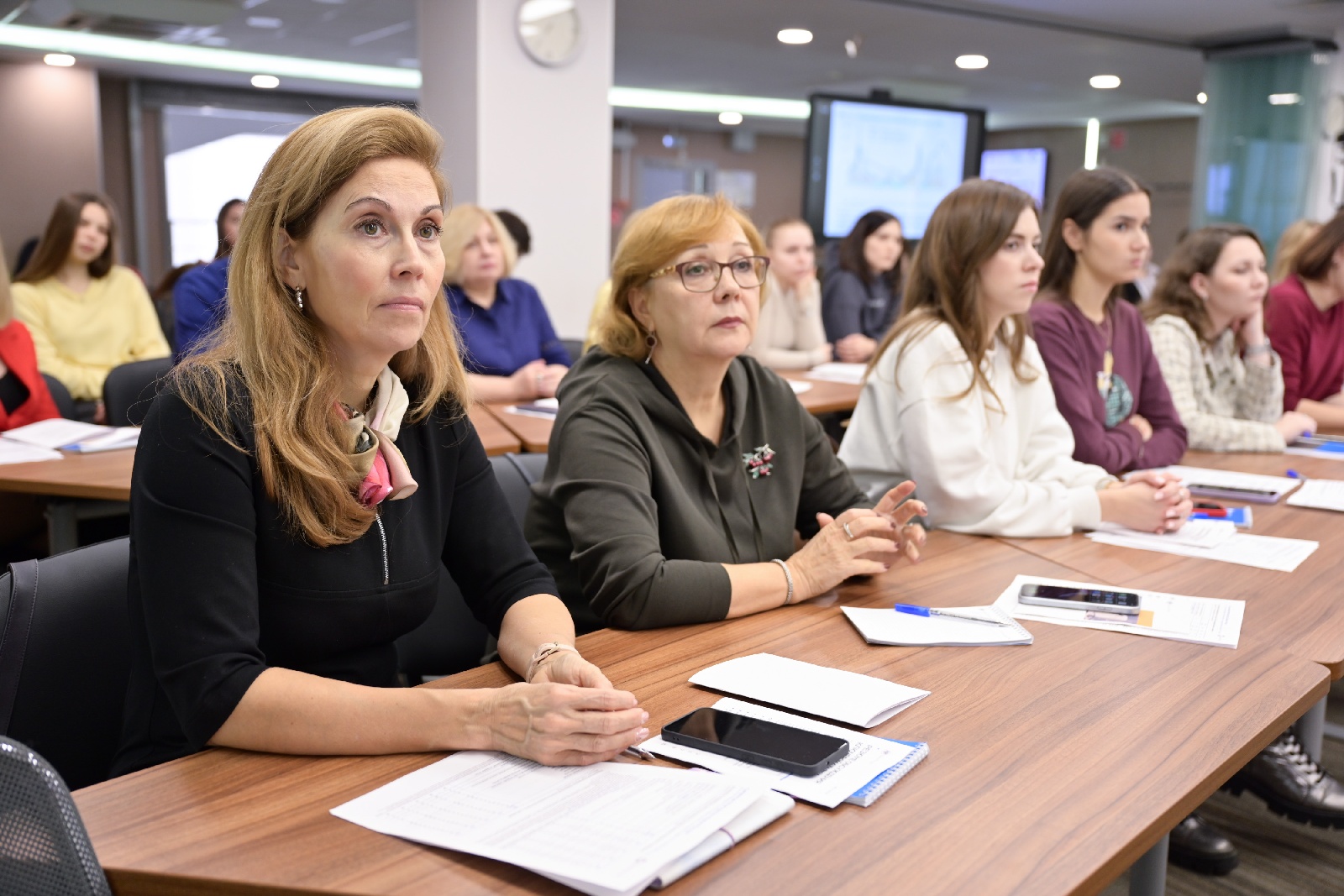
Participants in the first meeting, leaders of small and large enterprises for whom problems and difficulties related to complex economic conditions are daily realities, focused on discussing the current situation in the real sector of the Tomsk Oblast economy. It was noted that the regional situation differs fr om the national picture. For example, while industrial production has grown in Russia overall, it has declined in the region. The reason for this dynamic lies in the high share of the extractive industry, wh ere production volume has been decreasing for several years due to a number of reasons. The decline in business activity in a number of sectors has also affected the pace of wage growth, which is lower than the national average.
Representatives of Tomsk universities, based on their research interests, asked more general questions. These concerned the introduction of the digital ruble, the feasibility of a 4% inflation target, measures to reduce entrenched high inflation expectations among the population, and the Central Bank's stance on the monetary policy tool "Forward Guidance" and the possibility of its application in Russian realities.
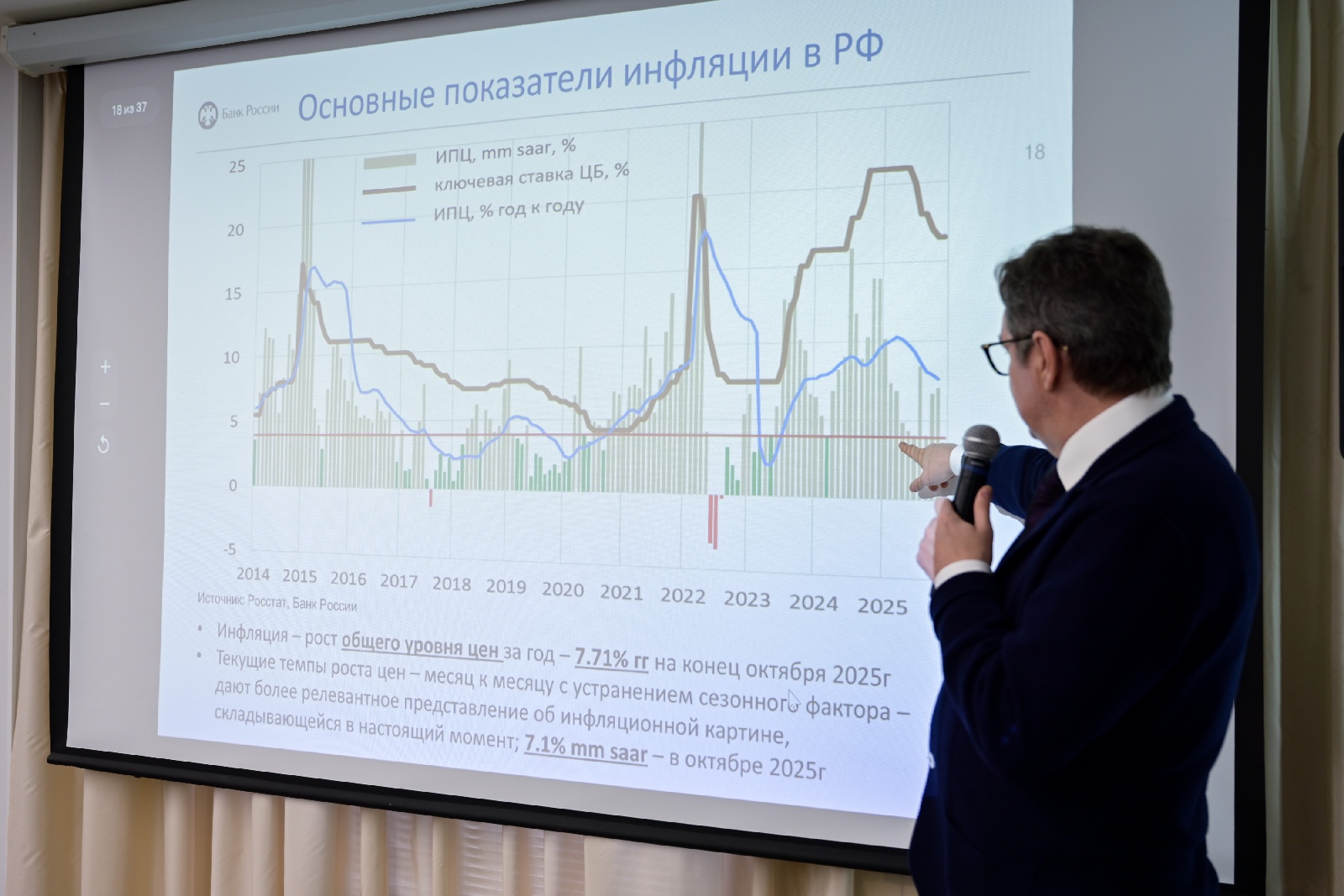
In his remarks, Kirill Tremasov explained the reasons for inflation growth and the factors curbing it, and also described how the Bank of Russia formulates its economic forecasts. Specifically, the expert noted that according to the updated forecast of the Bank of Russia, annual inflation will already decrease to 4-5% next year. In 2027 and beyond, it will be around 4%. Price dynamics in the coming months will be influenced by one-off factors—changes in taxes, tariff indexation, the situation in the fuel market—therefore, the trajectory for reducing the key rate will be cautious to prevent a new surge in inflation.
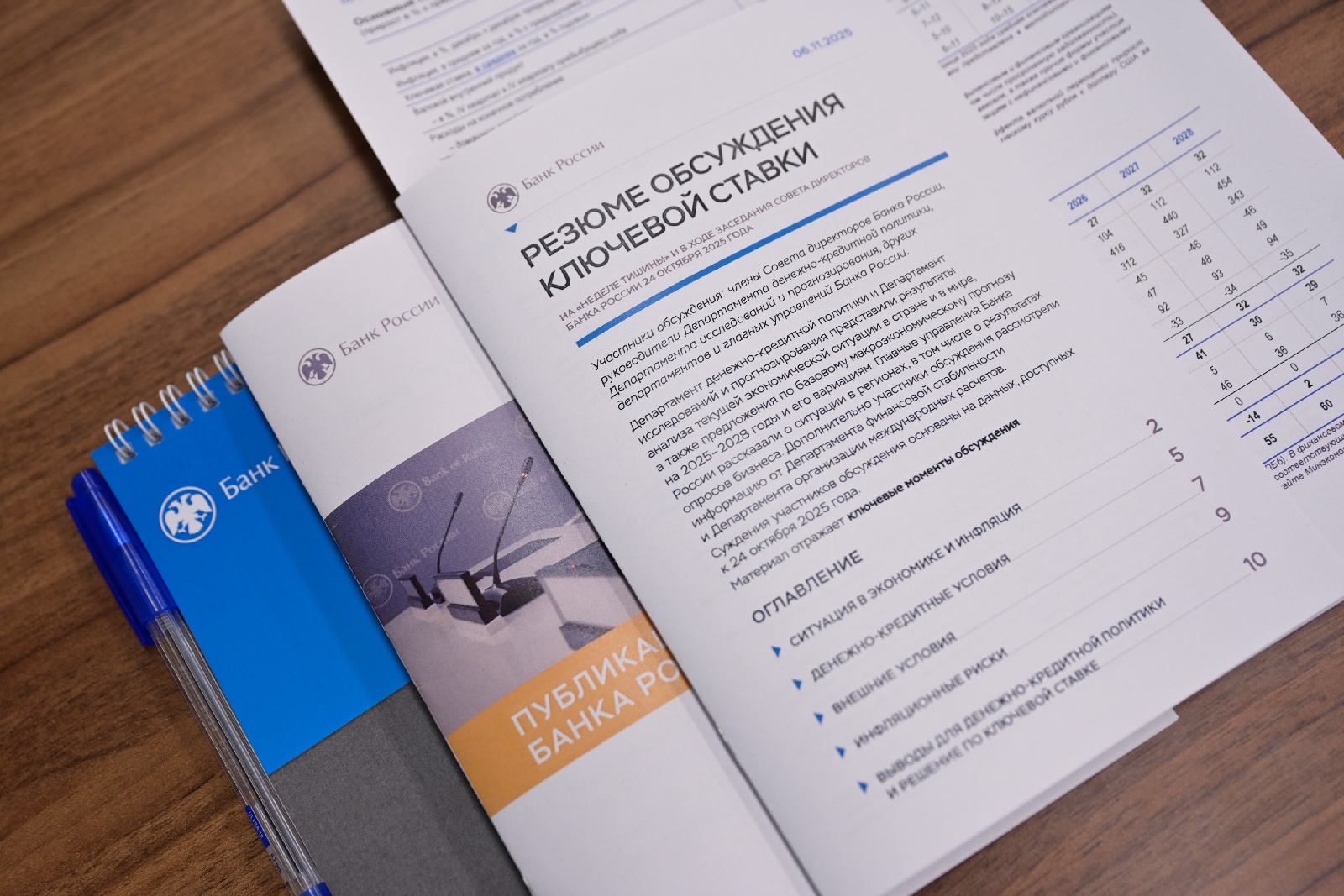
The speaker clarified that the Central Bank defines a neutral level for the key rate—7.5-8.5%. This is a level that exerts neither stimulating nor restraining influence on the economy. The key rate can only approach these percentages under conditions of economic equilibrium—low inflation and low inflation expectations. Such a rate is achievable for Russia in the future, even the not-too-distant future.
Advisor to the Chairman of the Bank of Russia, Kirill Tremasov, informed entrepreneurs and researchers about the regulator's monetary policy, the logic behind key rate decisions, and their impact on the national and regional economy. These meetings were part of a series of dialogues with society that the Bank of Russia is conducting across the country.
Participants in the first meeting, leaders of small and large enterprises for whom problems and difficulties related to complex economic conditions are daily realities, focused on discussing the current situation in the real sector of the Tomsk Oblast economy. It was noted that the regional situation differs fr om the national picture. For example, while industrial production has grown in Russia overall, it has declined in the region. The reason for this dynamic lies in the high share of the extractive industry, wh ere production volume has been decreasing for several years due to a number of reasons. The decline in business activity in a number of sectors has also affected the pace of wage growth, which is lower than the national average.
Representatives of Tomsk universities, based on their research interests, asked more general questions. These concerned the introduction of the digital ruble, the feasibility of a 4% inflation target, measures to reduce entrenched high inflation expectations among the population, and the Central Bank's stance on the monetary policy tool "Forward Guidance" and the possibility of its application in Russian realities.
In his remarks, Kirill Tremasov explained the reasons for inflation growth and the factors curbing it, and also described how the Bank of Russia formulates its economic forecasts. Specifically, the expert noted that according to the updated forecast of the Bank of Russia, annual inflation will already decrease to 4-5% next year. In 2027 and beyond, it will be around 4%. Price dynamics in the coming months will be influenced by one-off factors—changes in taxes, tariff indexation, the situation in the fuel market—therefore, the trajectory for reducing the key rate will be cautious to prevent a new surge in inflation.
"If we want low rates in the economy, we first and foremost need to achieve low inflation. There is no other way. It's a misconception that if we lower the key rate tomorrow, the level of interest rates will decrease. It will decrease if it is a justified easing of monetary policy. But if we, contrary to common sense, start sharply lowering the rate amid high inflation and high inflation expectations, the economy's reaction will be accelerated inflation, and then interest rates will start to rise," emphasized Kirill Tremasov.
The speaker clarified that the Central Bank defines a neutral level for the key rate—7.5-8.5%. This is a level that exerts neither stimulating nor restraining influence on the economy. The key rate can only approach these percentages under conditions of economic equilibrium—low inflation and low inflation expectations. Such a rate is achievable for Russia in the future, even the not-too-distant future.