

IEM TSU Staff Member Shares Experience Regarding Participation in the Congress of Young Scientists
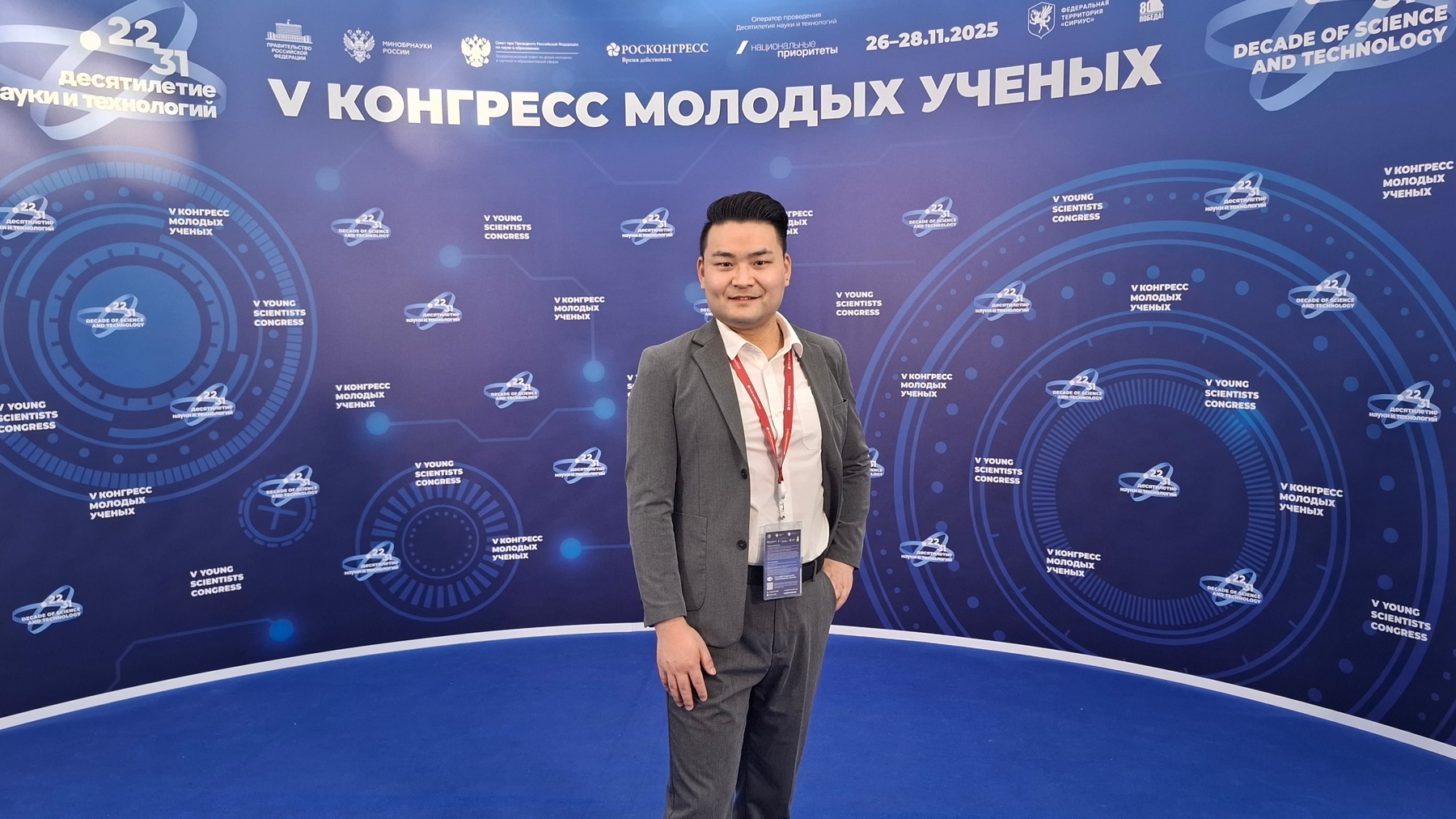
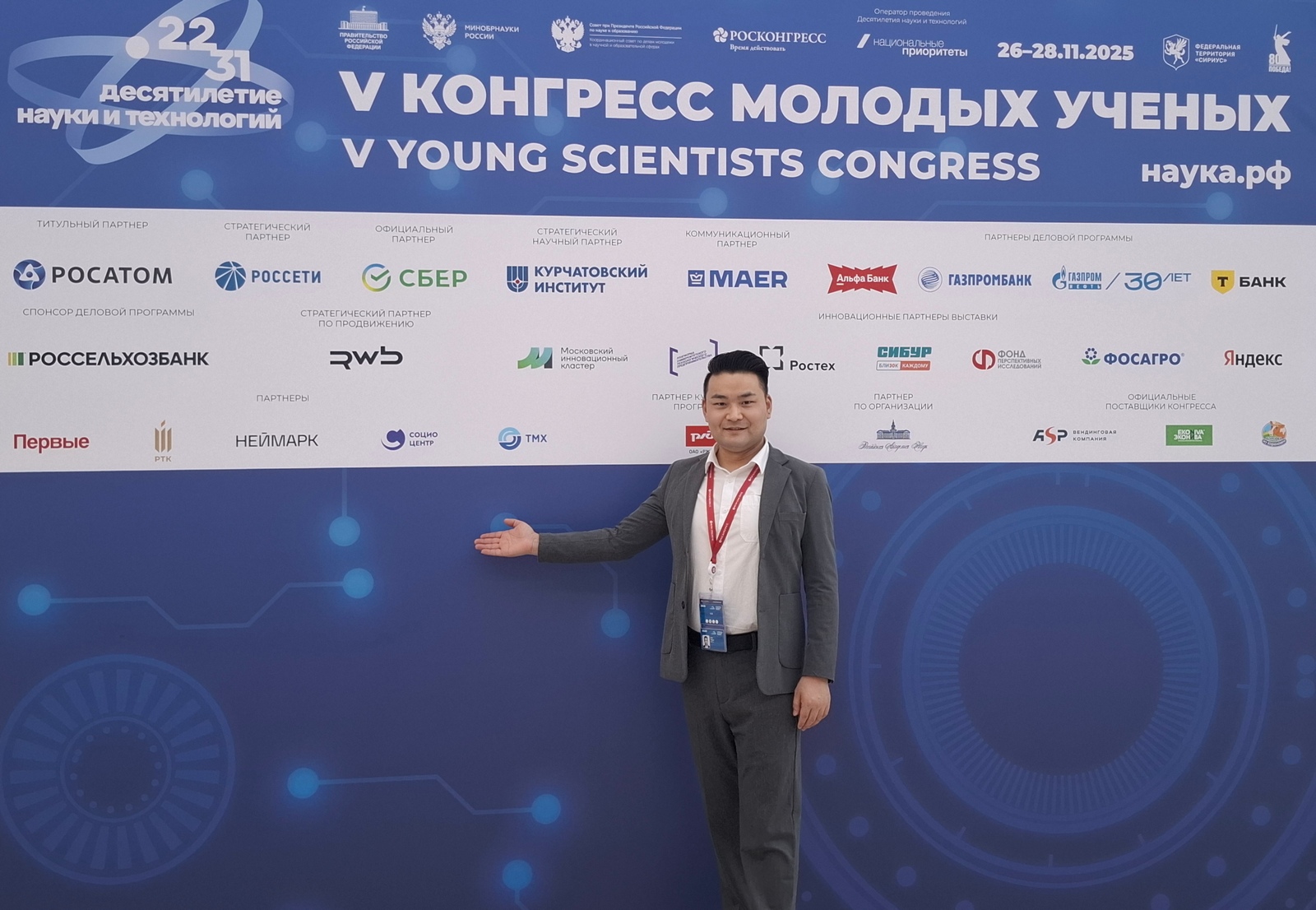
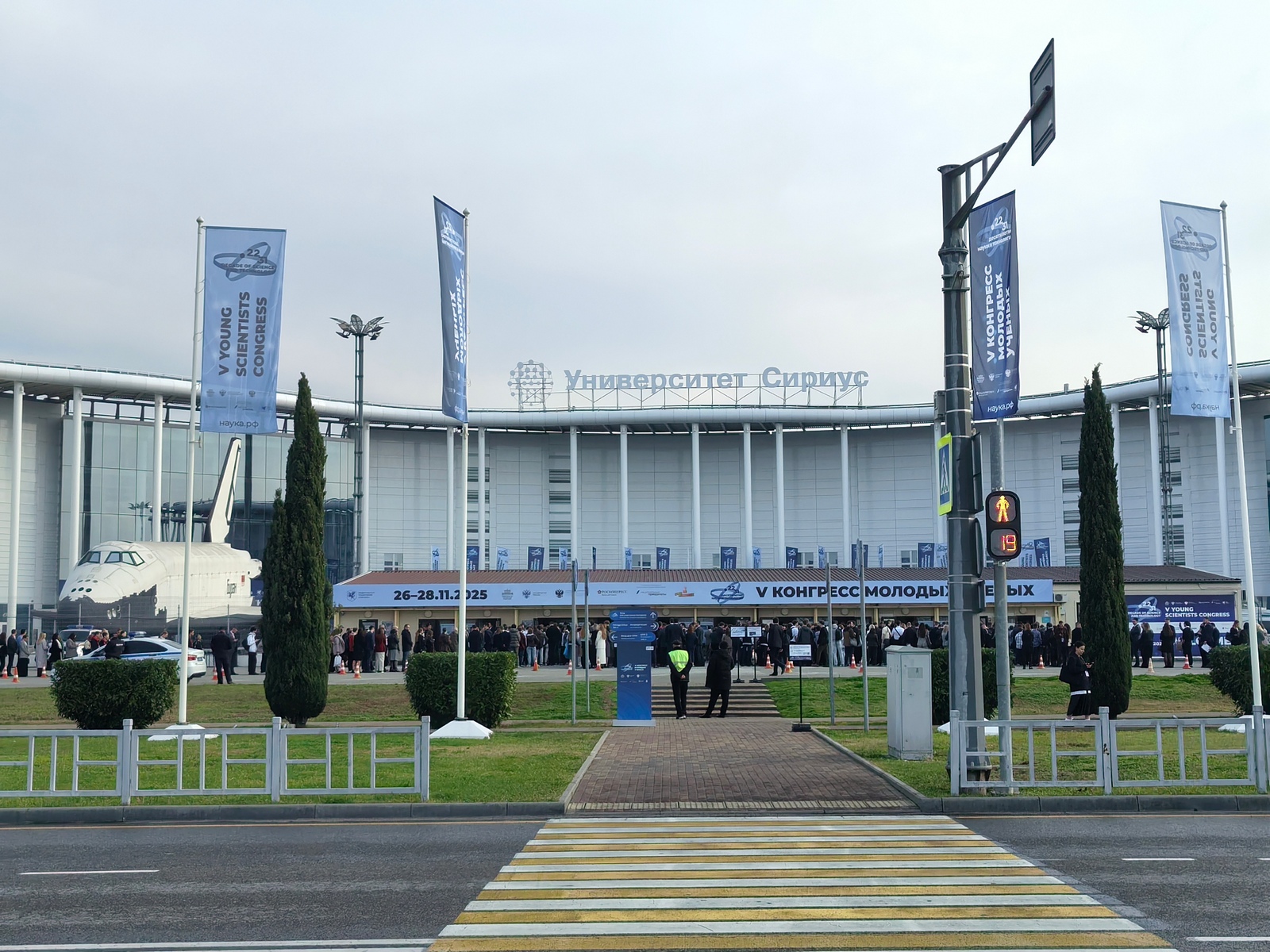
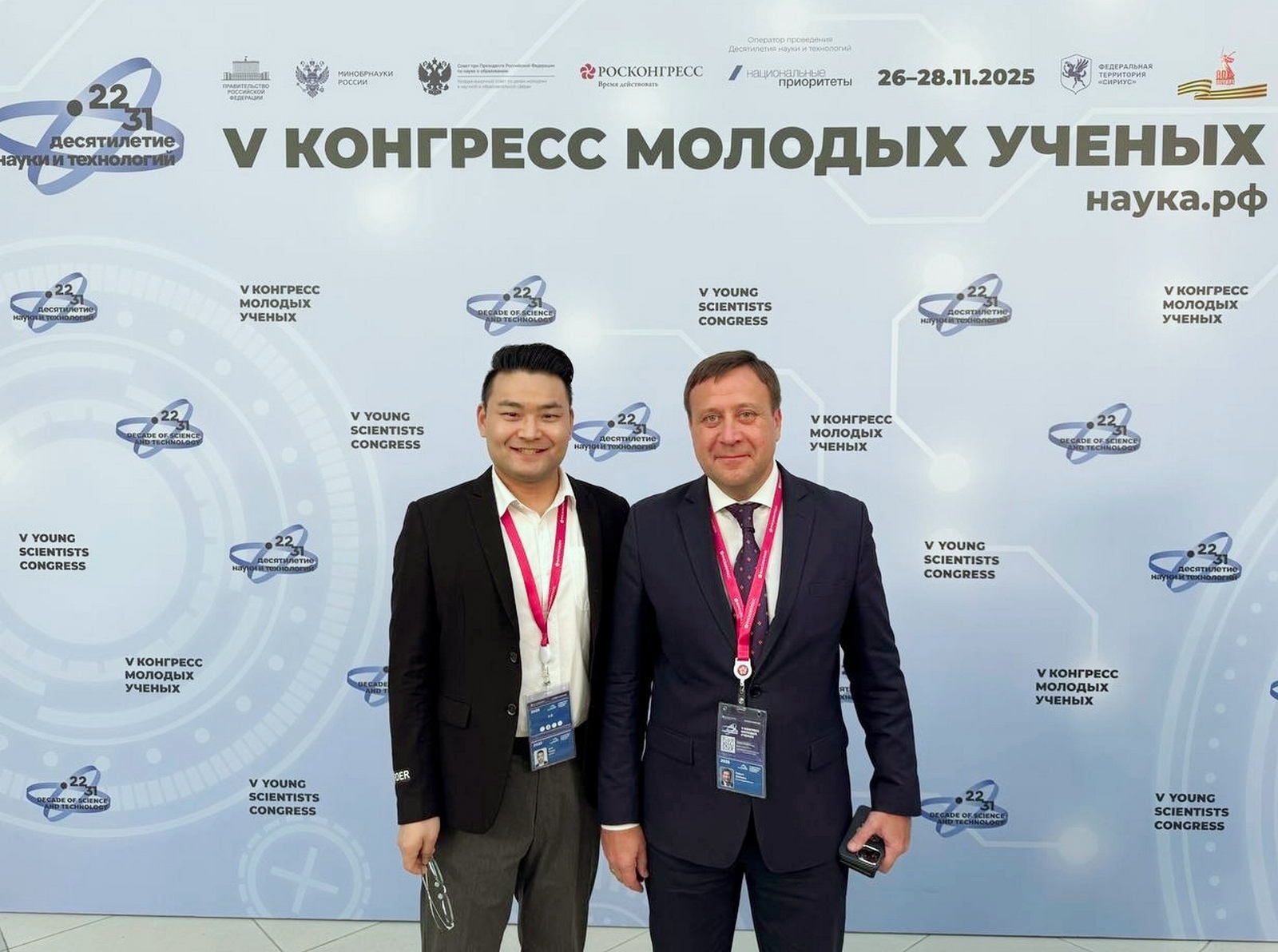
Zhang Jie, Assistant at the Department of Organizational Behavior and Human Resource Management and Manager of the International Exchange Center at IEM TSU, participated in the Fifth Congress of Young Scientists, which took place from November 26 to 28 at the Sirius University of Science and Technology.
The young researcher shared his impressions in regards to the trip:
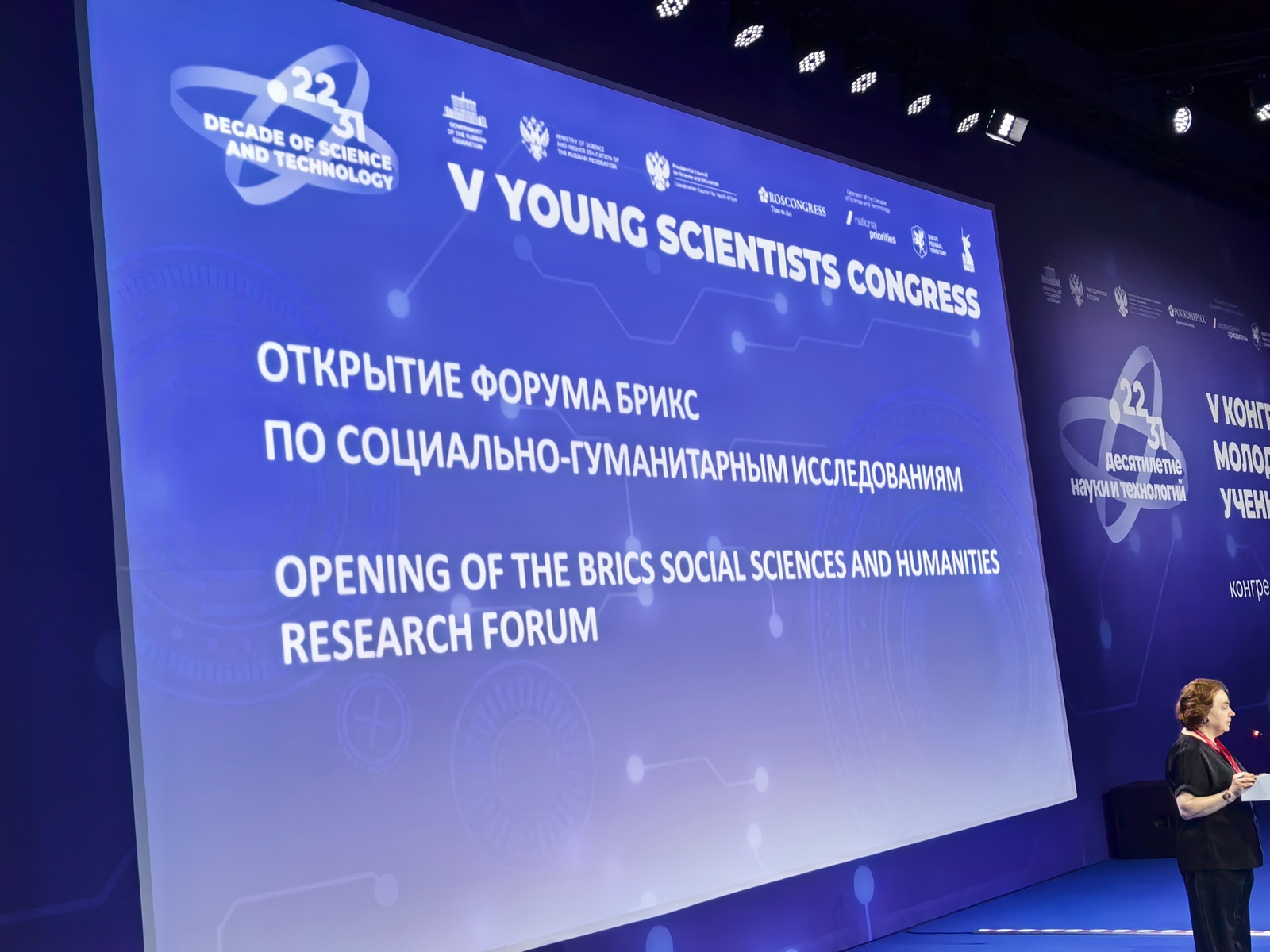
"The Congress of Young Scientists served as a unique platform for exchanging ideas, establishing international contacts, and discussing pressing challenges in modern science. Particularly valuable for me was participation in discussions related to the development of cooperation within BRICS. I fully support the initiative to create a BRICS research fund in the field of social sciences and humanities. I am confident that such a fund could become an effective tool for strengthening mutual understanding, trust, and synergy among our countries, helping to overcome existing differences and elevate cooperation to a new level—one of peaceful coexistence and mutually beneficial projects.
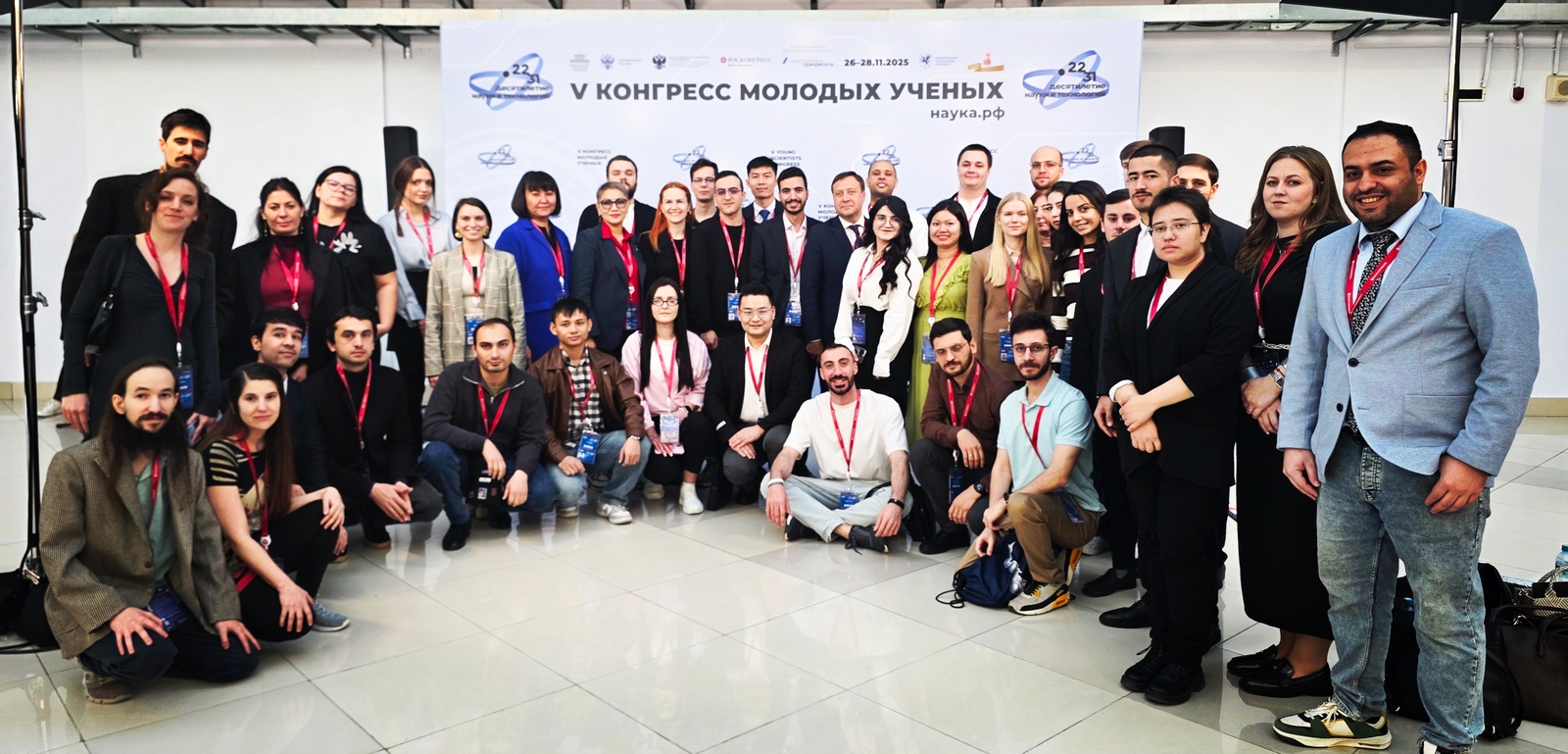
One of the most inspiring aspects of the Congress of Young Scientists was the opportunity for personal interaction with colleagues from various countries worldwide, including Italy, Vietnam, Egypt, Iran, Tajikistan, and many others. We not only exchanged experiences in economics and management but also outlined specific directions for future joint research and academic projects. This live, direct interaction confirms that science knows no borders, and cooperation is the key to solving global challenges.
The Congress program, which covered fundamental science, technological entrepreneurship, international cooperation, and science popularization, was well-thought-out and comprehensive. The special attention paid to issues of technological leadership and expanding international ties fully aligns with the spirit of our time and the strategic goals for the development of science in Russia and the world.
Participating in the Congress of Young Scientists strengthened my belief that it is precisely through dialogue, openness, and joint efforts that we can achieve significant results. I returned with new ideas, contacts, and motivation to continue working in the field of international economic cooperation, with a focus on the BRICS space.
I thank the organizers, moderators, and all participants for the warm atmosphere, substantive discussions, and the opportunity to be part of this scientific community. I hope that the proposed initiatives, including the creation of a BRICS fund, will receive support and be implemented, and that our cooperation will only grow stronger.
I also express my deep gratitude to the organizers of the Congress of Young Scientists—the Roscongress Foundation, the Government of the Russian Federation, and the Coordination Council for Youth Affairs in Science and Education—for the opportunity to take part in this large-scale and significant event. For me, as a young instructor at the Institute of Economics and Management of Tomsk State University, it was not only an honor but also an important step in my professional development."
The young researcher shared his impressions in regards to the trip:
"The Congress of Young Scientists served as a unique platform for exchanging ideas, establishing international contacts, and discussing pressing challenges in modern science. Particularly valuable for me was participation in discussions related to the development of cooperation within BRICS. I fully support the initiative to create a BRICS research fund in the field of social sciences and humanities. I am confident that such a fund could become an effective tool for strengthening mutual understanding, trust, and synergy among our countries, helping to overcome existing differences and elevate cooperation to a new level—one of peaceful coexistence and mutually beneficial projects.
One of the most inspiring aspects of the Congress of Young Scientists was the opportunity for personal interaction with colleagues from various countries worldwide, including Italy, Vietnam, Egypt, Iran, Tajikistan, and many others. We not only exchanged experiences in economics and management but also outlined specific directions for future joint research and academic projects. This live, direct interaction confirms that science knows no borders, and cooperation is the key to solving global challenges.
The Congress program, which covered fundamental science, technological entrepreneurship, international cooperation, and science popularization, was well-thought-out and comprehensive. The special attention paid to issues of technological leadership and expanding international ties fully aligns with the spirit of our time and the strategic goals for the development of science in Russia and the world.
Participating in the Congress of Young Scientists strengthened my belief that it is precisely through dialogue, openness, and joint efforts that we can achieve significant results. I returned with new ideas, contacts, and motivation to continue working in the field of international economic cooperation, with a focus on the BRICS space.
I thank the organizers, moderators, and all participants for the warm atmosphere, substantive discussions, and the opportunity to be part of this scientific community. I hope that the proposed initiatives, including the creation of a BRICS fund, will receive support and be implemented, and that our cooperation will only grow stronger.
I also express my deep gratitude to the organizers of the Congress of Young Scientists—the Roscongress Foundation, the Government of the Russian Federation, and the Coordination Council for Youth Affairs in Science and Education—for the opportunity to take part in this large-scale and significant event. For me, as a young instructor at the Institute of Economics and Management of Tomsk State University, it was not only an honor but also an important step in my professional development."