
Training Specialists for the Financial Industry Discussed at TSU
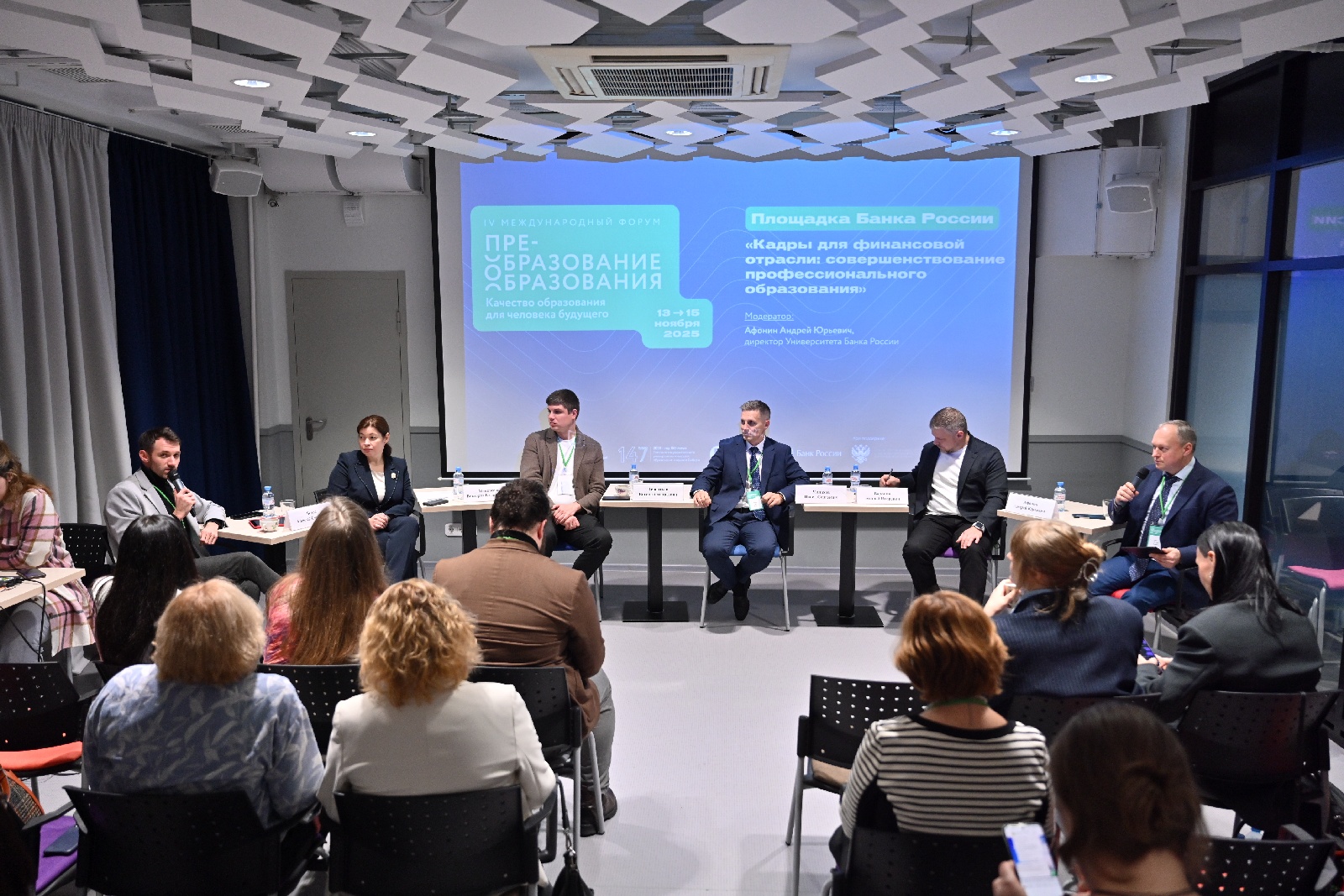
Experts discussed pathways for transforming professional education at the roundtable "Specialists for the Financial Industry." The roundtable was held as part of the IV International Forum "Transformation of Education" at TSU.
The meeting was attended by representatives of the banking sector - leaders of leading fintech companies, as well as experts fr om Russian universities participating in the pilot project to improve the higher education system and the Higher School of Economics.
The speakers discussed why financial organizations invest in education, how to evaluate the effectiveness of these investments, how to identify and train the necessary specialists, how to ensure the practical orientation of education, and through what mechanisms business and universities can effectively interact to solve the problem of personnel shortage.
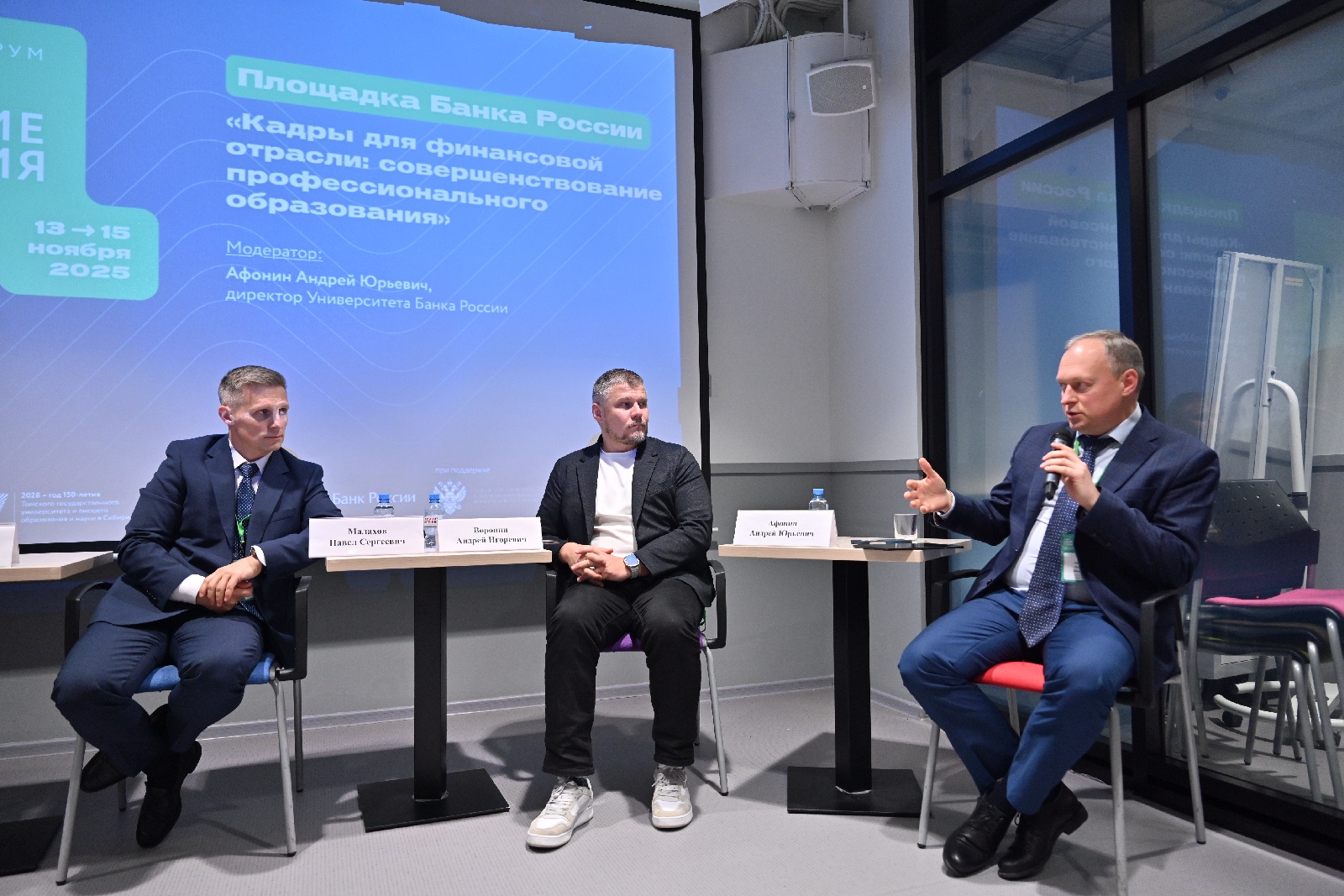
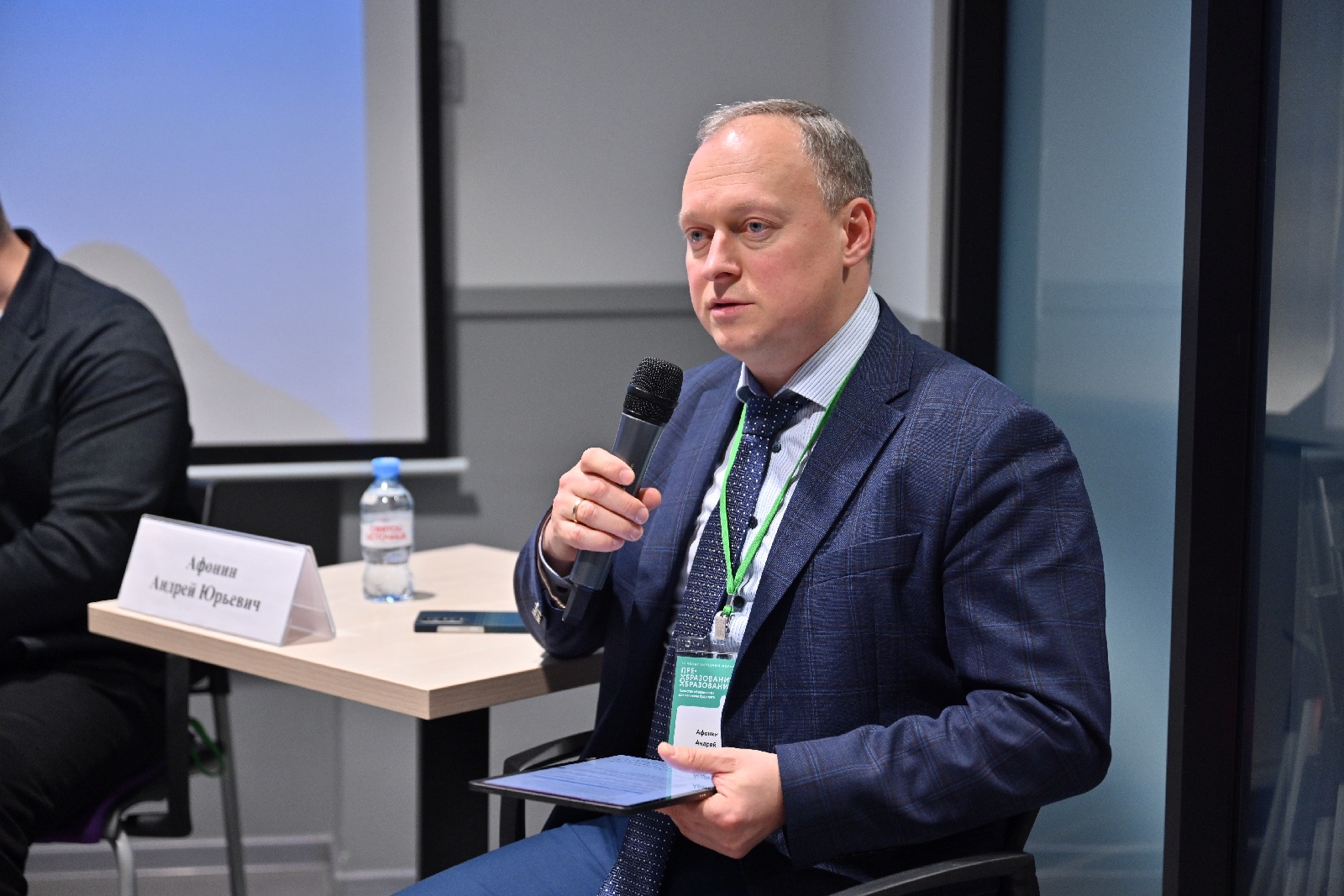
The moderator was Andrey Afonin, Director of the Bank of Russia University. Opening the discussion, Andrey Yuryevich noted that the dynamic development of the financial industry, associated with fintech, digitalization and the development of new products, inevitably leads to the transformation of the specialist training process.
"Within the framework of our meeting, we will talk about why financial organizations invest serious resources in the education system, how to evaluate the effectiveness of such investments, how to determine what specialists the financial industry needs and how to train them," Andrey Afonin noted at the beginning of the conversation.
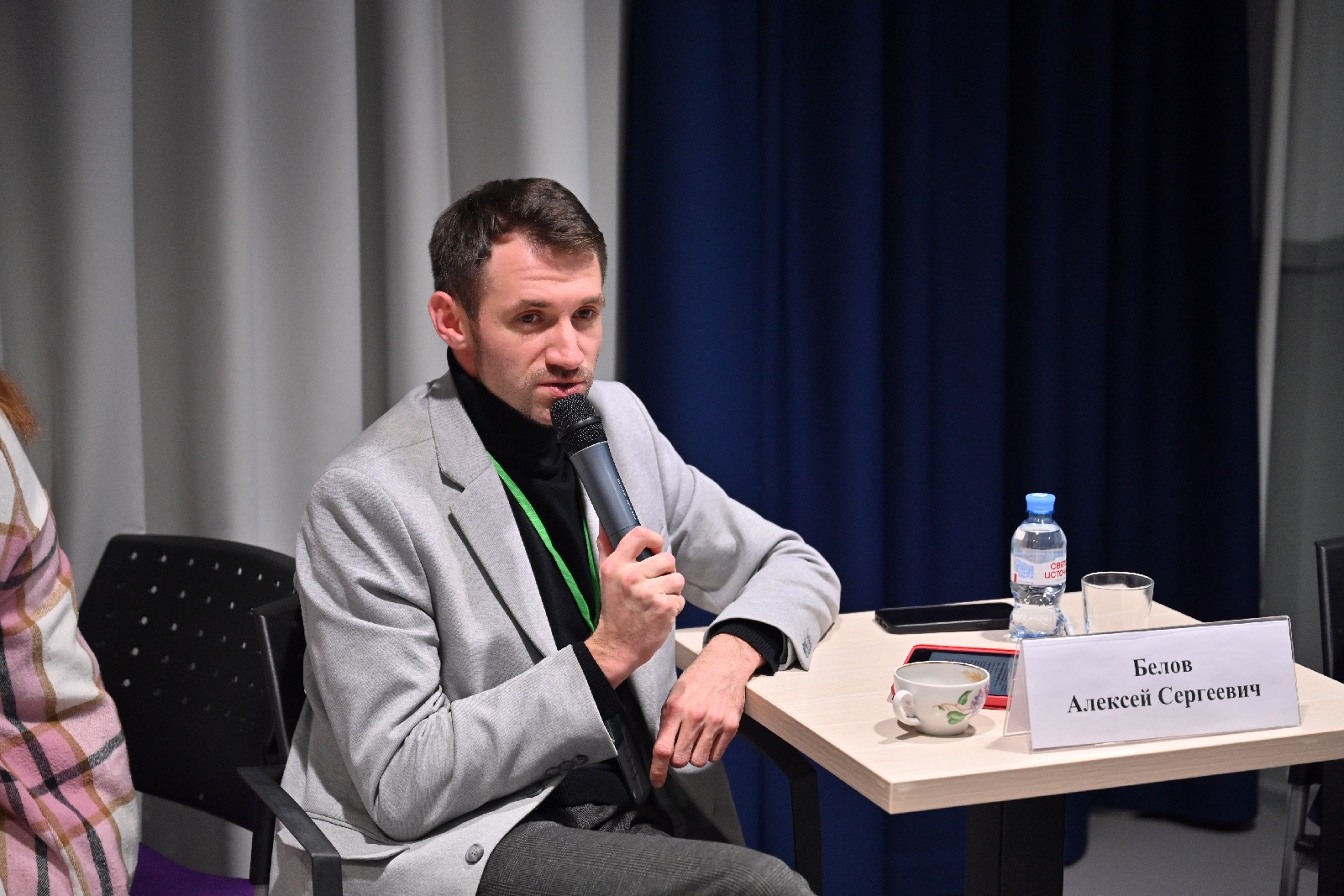
Alexey Belov, Head of Educational Programs at Alfa-Bank, emphasized that investments in education by fintech companies are not charity, their goal is to reduce the time for hiring employees. The expert noted that graduates of Alfa-Bank's programs adapt faster as specialists - in 1-2 months instead of 6-8, as they were trained on real cases.
Ivan Topolya, Managing Director of the Accounting and Reporting Department of the Finance Block of Sberbank, supported his colleague and noted that in addition to the obvious aspects of efficiency, it is important to consider the hidden costs of interaction between universities and companies. These include the difference in the language of communication between business and universities, as well as the difficulty of predicting the future, especially considering the influence of artificial intelligence.
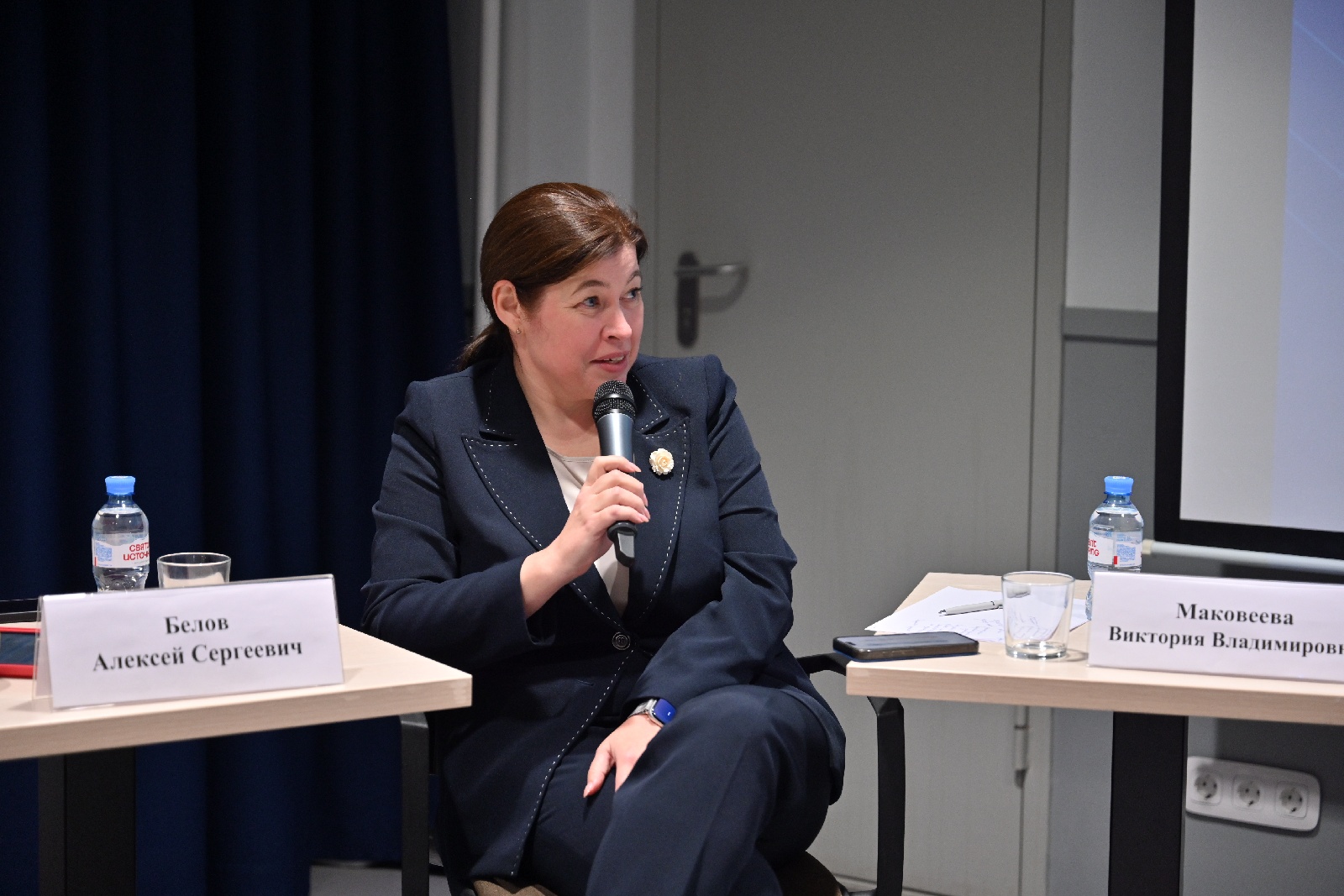
Victoria Makoveeva, Director of the Office of Technological Leadership - Vice-Rector for Strategic Partnership of TSU, spoke about how universities and businesses can move from the model of "university as a supplier of personnel" to an equal partnership. Victoria Vladimirovna identified three key points for building an equal partnership: the partnership should expand to include entire groups of employers and educational institutions that jointly build training trajectories; cooperation should be systemic and multifaceted (not just developing one educational program, but a complex including internships for students and teachers); the presence of an interested and effectively working team with representatives from both sides.
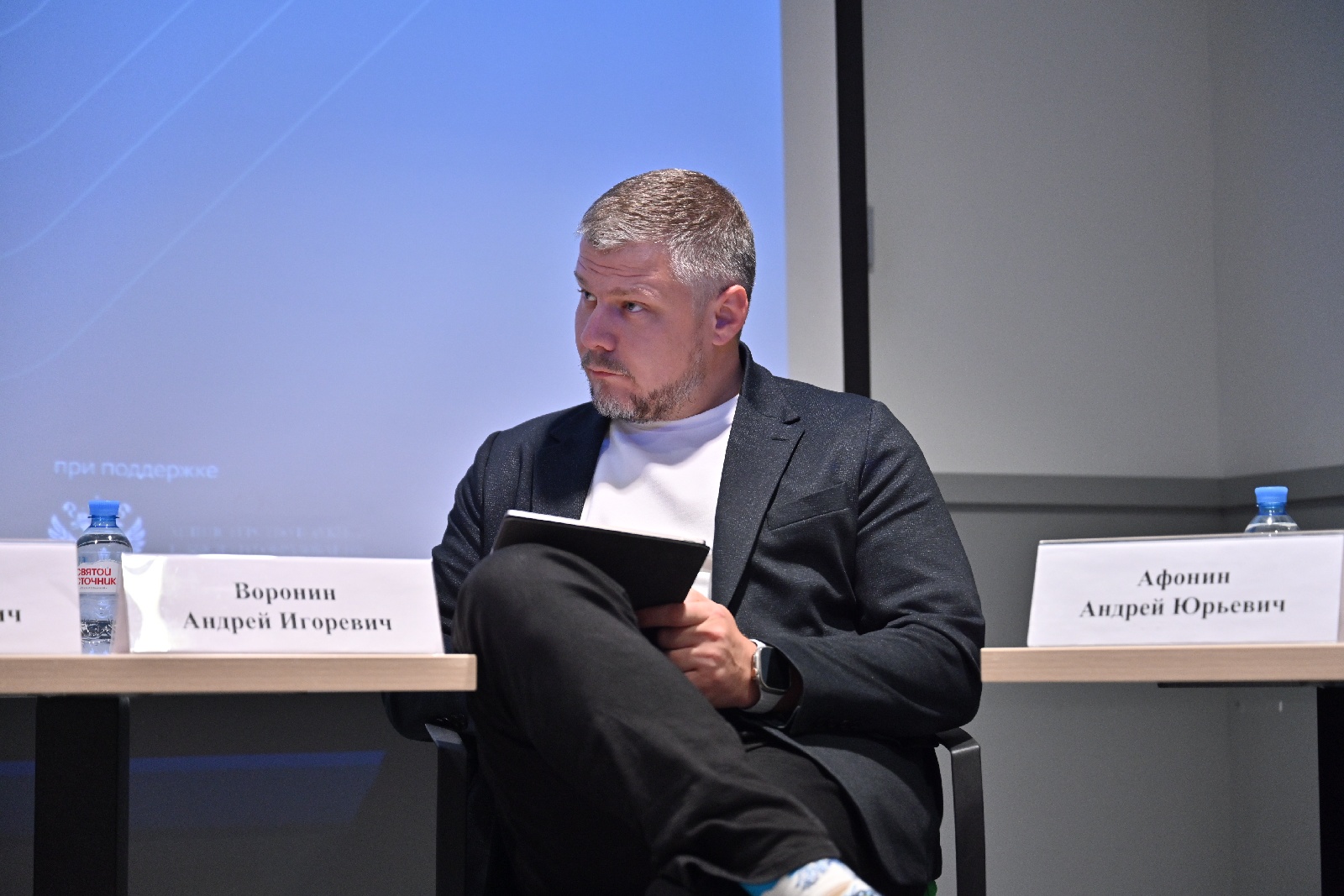
Andrey Voronin, Vice-Rector for Education at NUST MISIS, agreed that for universities and businesses, "equal partners" is the key wording. Universities are ready for complex interaction formats wh ere companies not only act as customers for personnel, but also as strategic partners in shaping promising directions for education and science.
The roundtable also featured best practices and innovations in the interaction between universities and businesses. Ivan Topolya (Sberbank) presented the results of a study on roles and competencies in the labor market, conducted as part of a large-scale personnel project under the auspices of the Bank of Russia. Alexey Belov (Alfa-Bank) spoke about the Alfa-Future platform, which brings together all the bank's educational initiatives and covers more than 300 universities. The platform is intended for students (master's, bachelor's, courses, scholarships) and teachers (professional development programs, travel grants).
Victoria Makoveeva spoke about TSU's experience in interacting with the chemical industry within the framework of the National Project for Technological Leadership and the creation of a center for advanced training and retraining in the field of new materials and chemistry. The Vice-Rector for Strategic Partnership of TSU noted that this experience can be transferred to the financial sector with minor modifications.
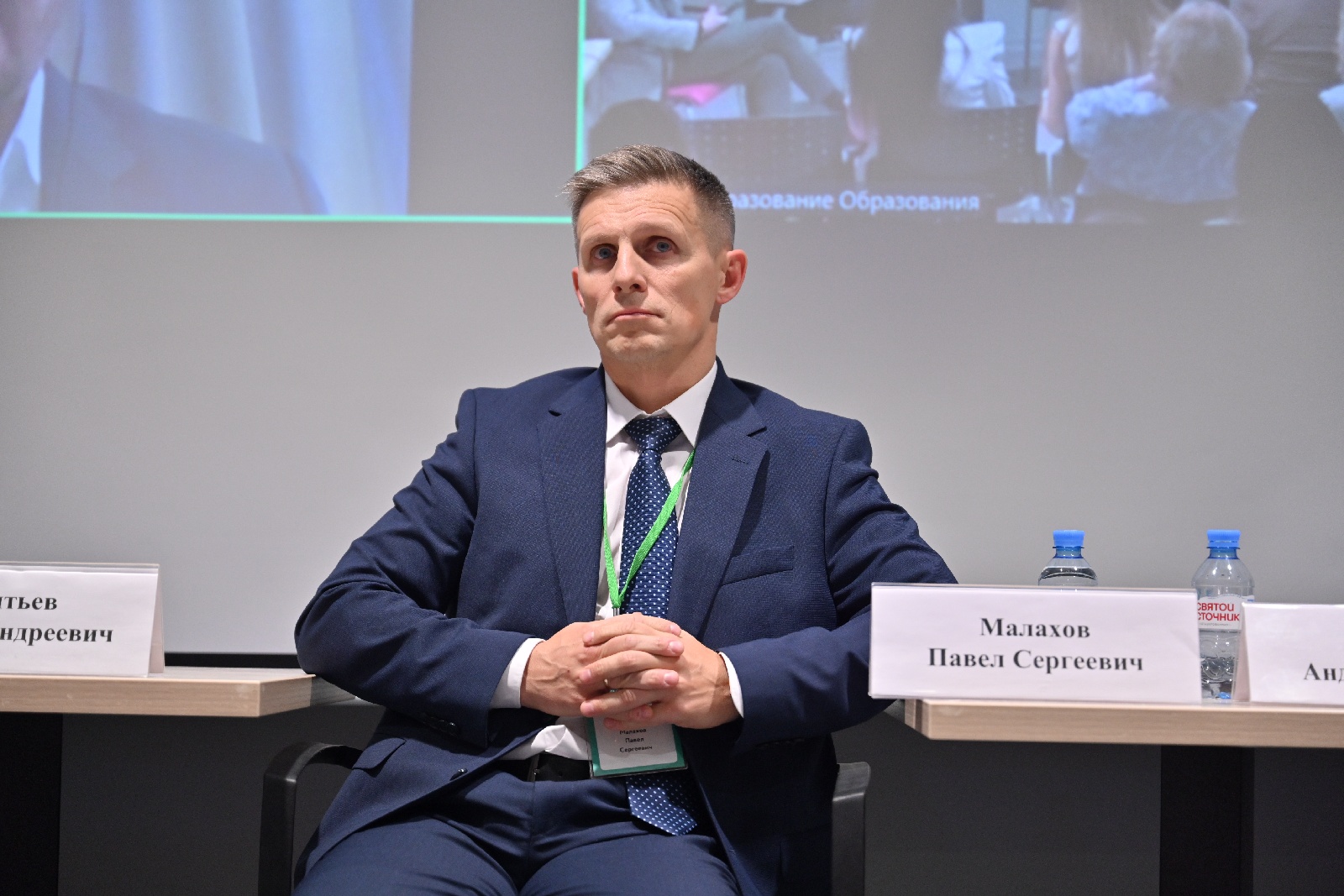
Pavel Malakhov, Vice President - Director of the Tomsk Business Development Directorate of the GPB Branch "West Siberian", described the historical and current experience of interaction between Gazprombank and TSU, which are strategic partners. The Gazprombank branch in Tomsk was founded by TSU graduates, which created a strong connection between the company and the university. Now the Tomsk branch of GPB implements joint educational programs with TSU (for example, in software engineering at the TSU Higher IT School), teachers actively intern at the bank's sites. The company makes a significant contribution to supporting the university's research projects (for example, in bioengineering).
"This allows students to dive deeper into banking activities and commercialization of ideas, and the bank to contribute to the formation of new sectors of the economy," Malakhov emphasized.
The discussion of the issue of training specialists for the financial industry at TSU became a significant groundwork for the start of the pilot project to improve higher education at the university in 2023. The main task was to find points of contact between education and the demands of the labor market - in particular, the high-tech financial industry.
"IEM is actively building partnerships with fintech leaders. This academic year we joined the Sber platform, which brings together various educational programs. Cooperation with Alfa-Bank is actively developing - in particular, on travel grants. We are preparing to join the network educational program in fintech, which is being developed by HSE University and Alfa-Bank as part of a general project to train specialists for the financial industry. The Central Bank acts as the ideologist, the unifying construct of this project. This is a master's program, including a large mathematical block, a significant block on IT and a block of professional economic and financial disciplines," said Evgenia Nekhoda, Director of IEM TSU.