
XIV Economic Readings "Human Well-being and Security" Commence at IEM TSU with Participation of Bank of Russia
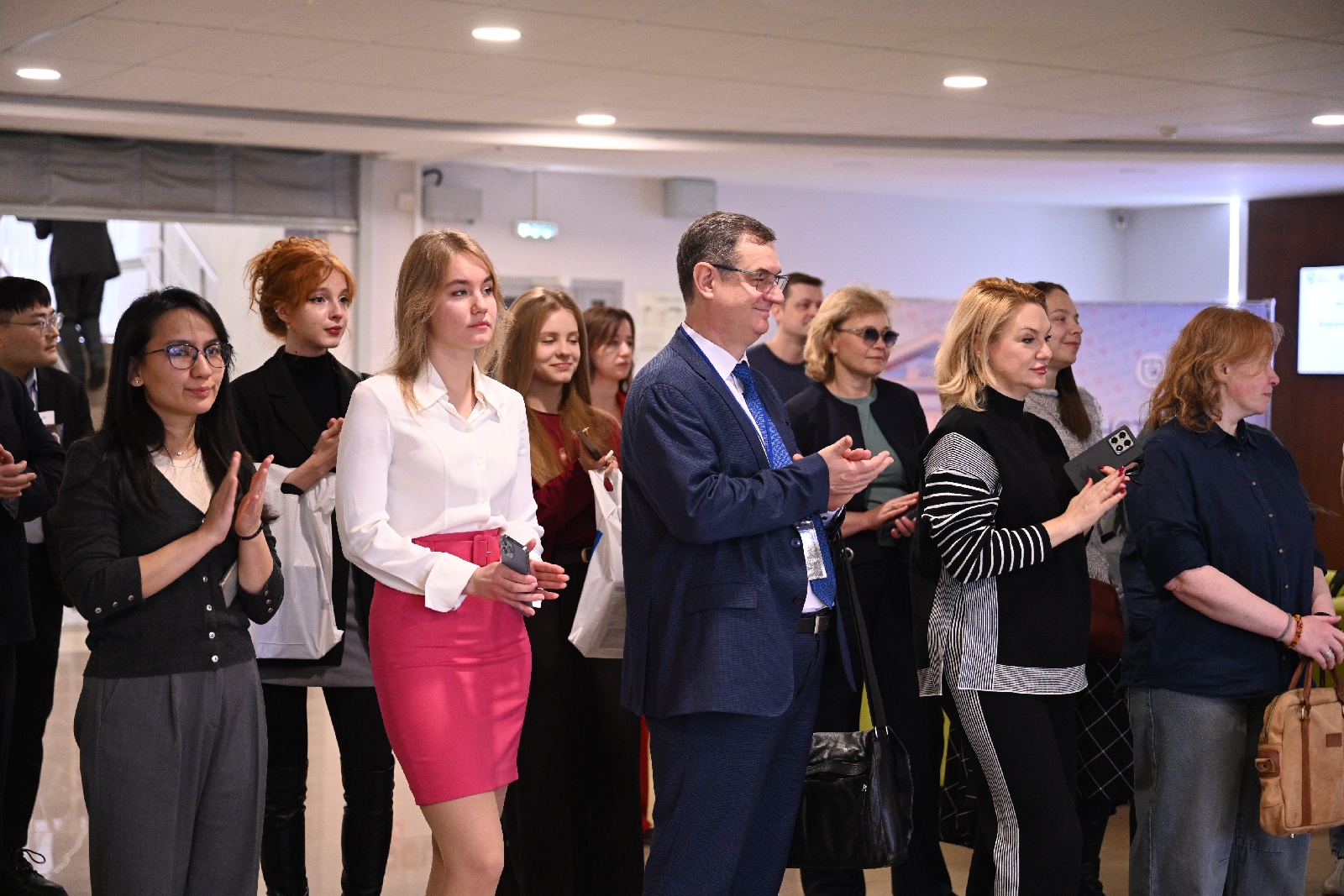
The XIV Economic Readings on "Human Well-being and Security" have commenced at the Institute of Economics and Management (IEM) of Tomsk State University. The conference actively involves representatives of the Bank of Russia, one of TSU's key partners.
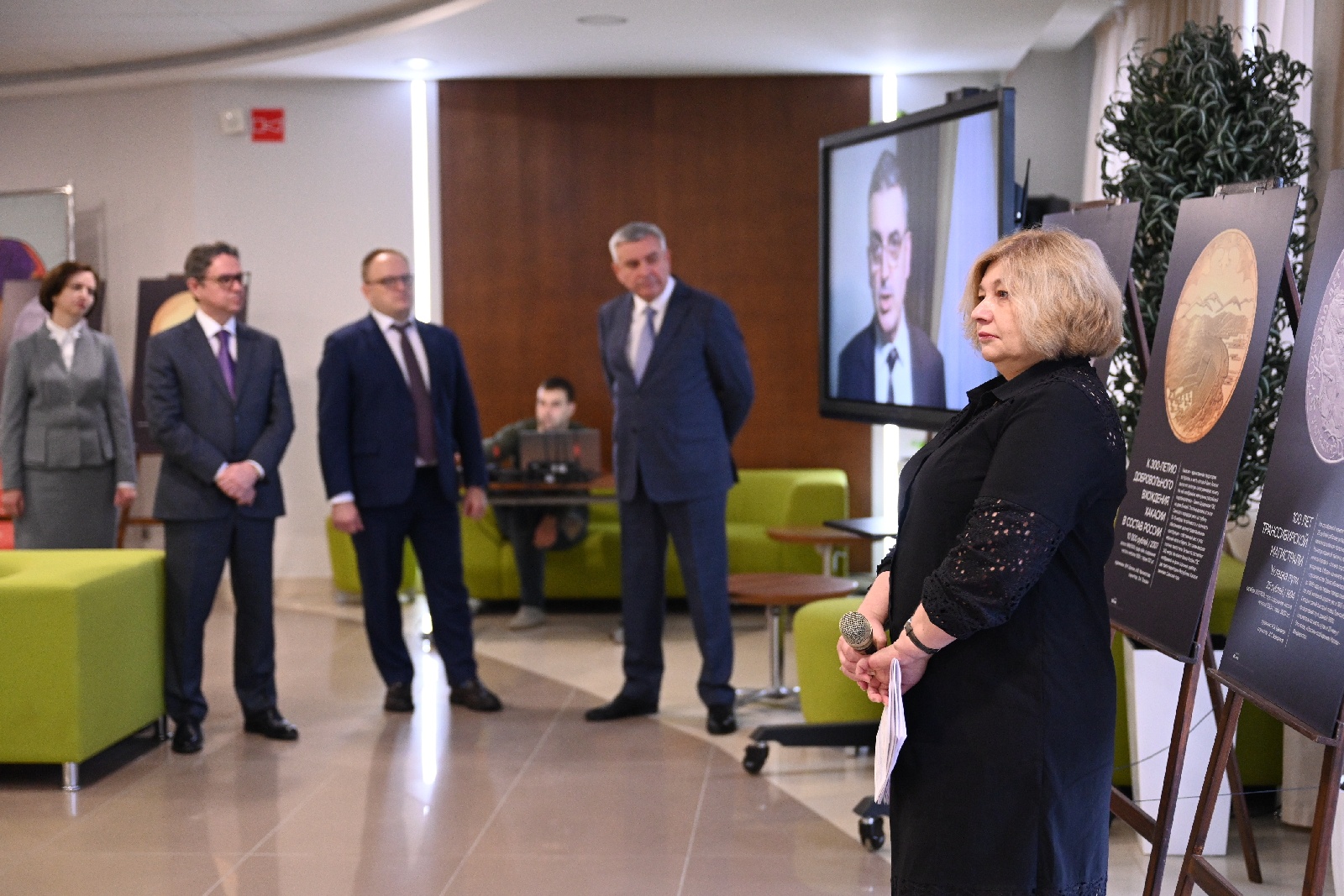
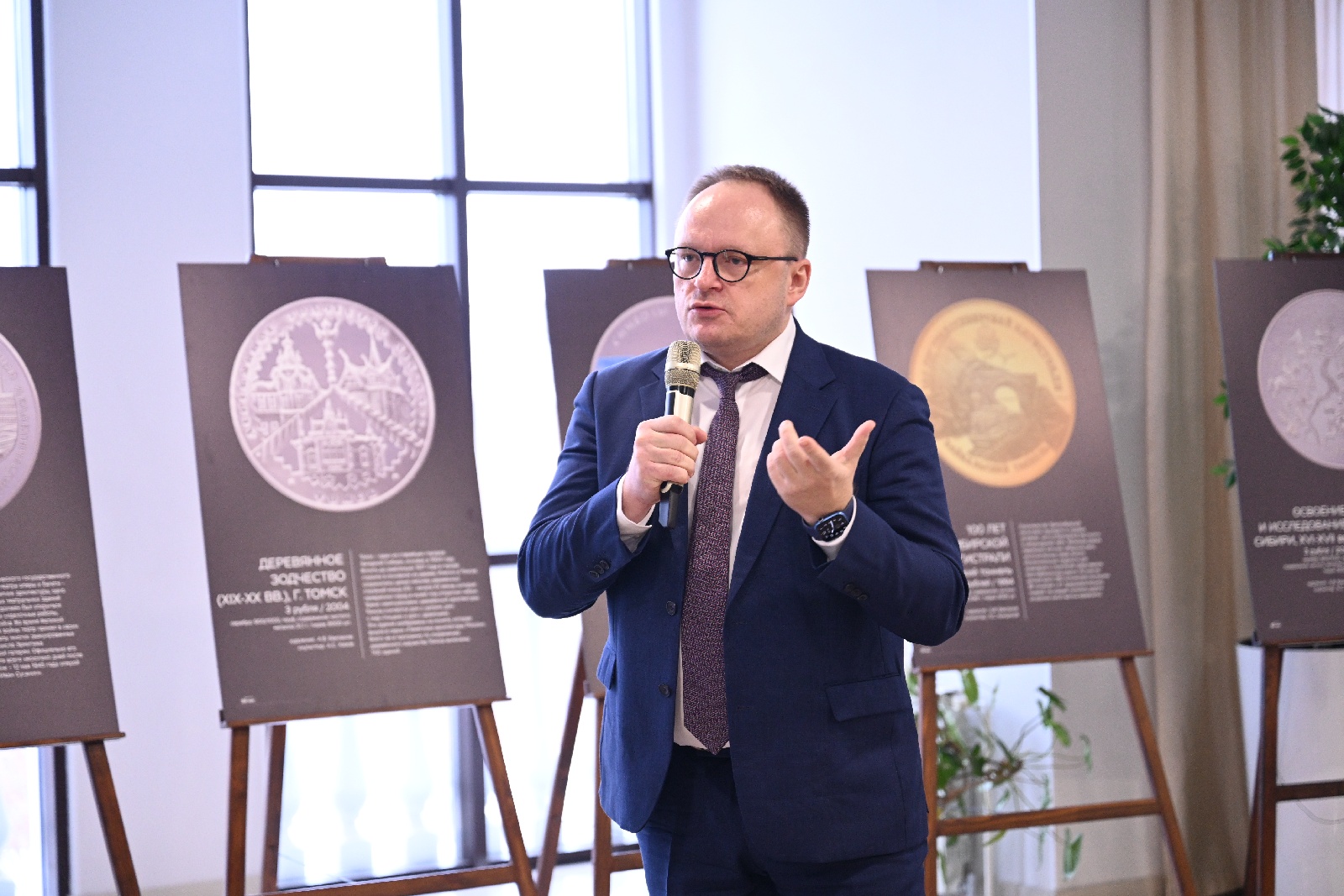
The opening ceremony was attended by Kirill Tremasov, Advisor to the Chairman of the Bank of Russia (Moscow), Nikolay Morev, Head of the Siberian Main Directorate of the Bank of Russia (Novosibirsk), and Mikhail Sergeychik, Deputy Governor of Tomsk Oblast for Economic Affairs.
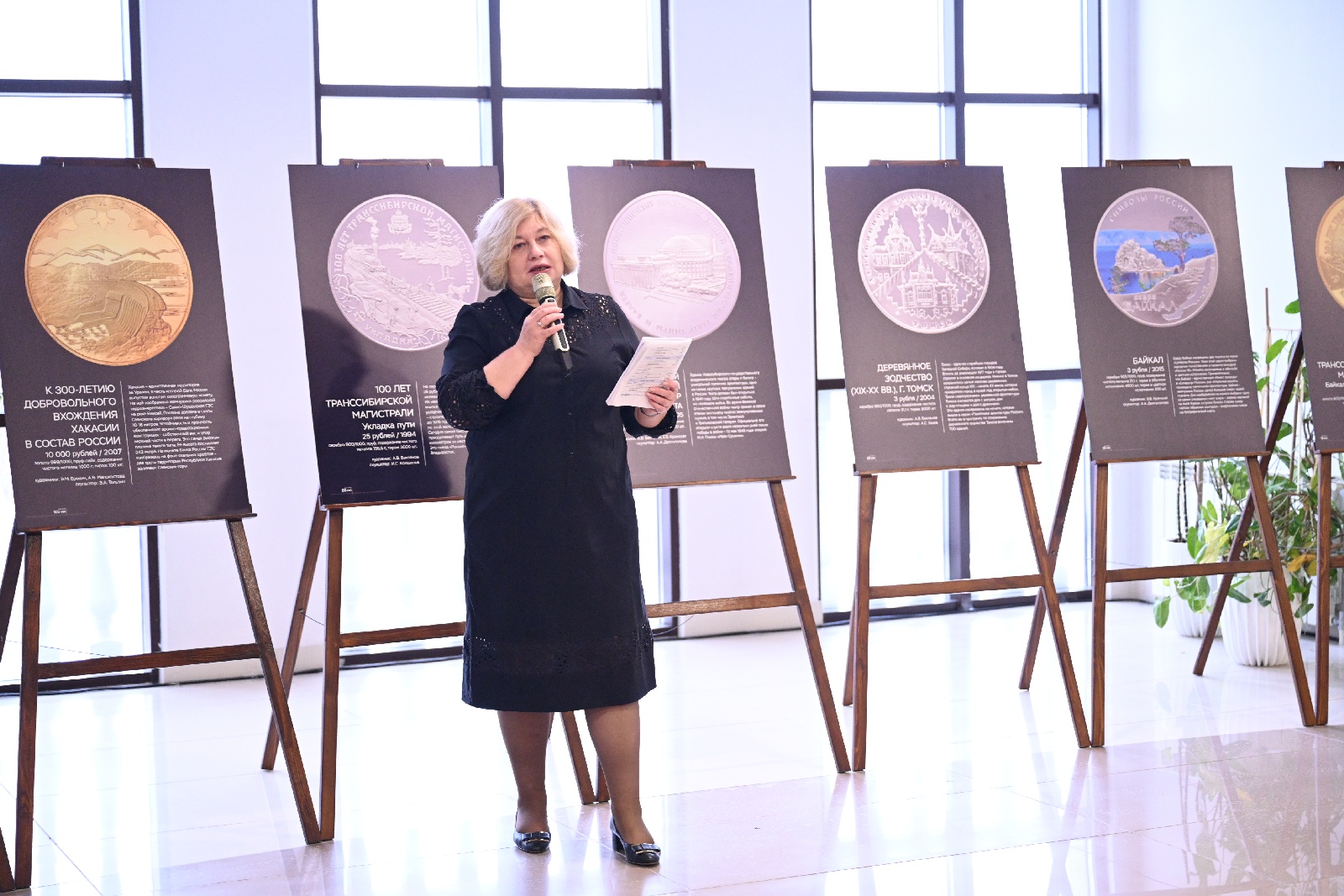
Evgenia Nekhoda, Director of IEM TSU, stated that the history of the Economic Readings spans over 30 years. During this time, the event has transformed fr om a scientific-practical conference of a single department—the TSU Department of Economics—into a significant international event dedicated to crucial socio-economic problems and their analysis by the scientific and professional community. In recent years, the Bank of Russia has joined TSU in organizing the Economic Readings.
According to Nikolay Morev, Head of the Siberian Main Directorate of the Bank of Russia, the Bank of Russia today is a high-tech financial market regulator responsible for supplying the economy and population with cash, maintaining and developing payment systems, and supporting financial and price stability in the country.
Mikhail Sergeychik, Deputy Governor of Tomsk Oblast for Economic Affairs, expressed hope that open dialogue with society—particularly through interaction with the media—would help solve one of the main tasks facing the economy.
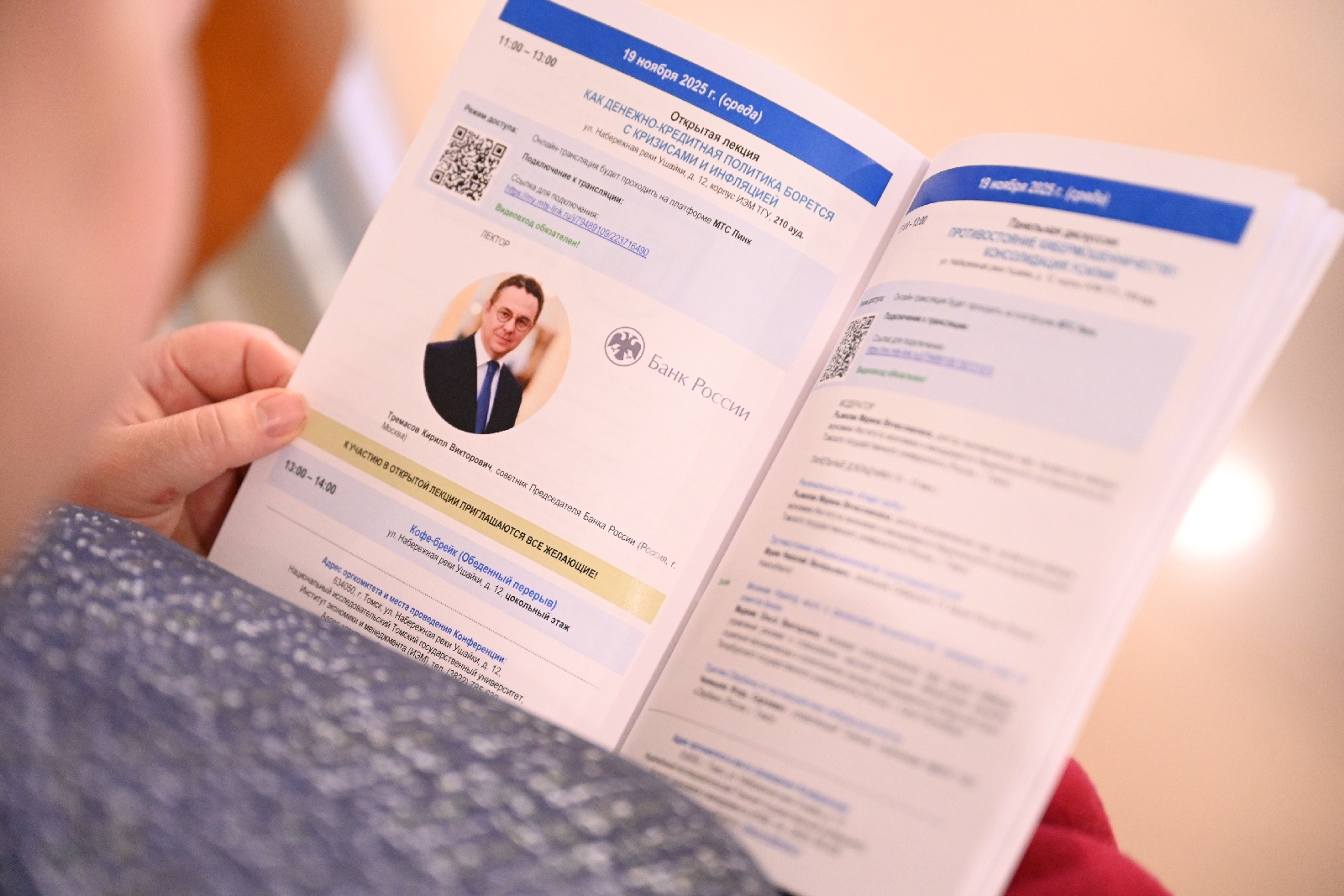
The Economic Readings were hosted for three days, from November 19 to 21. In 2025, the conference is dedicated to human well-being and security—topics more relevant than ever in an era of global changes. The conference not only featured section meetings wh ere young and experienced researchers presented their reports (including in English). The program also included open lectures from Bank of Russia experts and masterclasses on working with artificial intelligence and combating cyber fraud; a panel discussion on cyber fraud; a discussion "Horizons of Employment: Innovations and Institutions in the Era of New Economic Models"; a communication session "Monetary Policy of the Bank of Russia" with the participation of Bank of Russia representatives; a simulation game "Financial Quiz" for students of Tomsk universities; and other events. Participants of the roundtable "Economic Journalism as an Educational Trend" discussed a project for a new master's program in this field (the program is planned to launch in 2026 at the TSU Faculty of Journalism).
The opening ceremony was attended by Kirill Tremasov, Advisor to the Chairman of the Bank of Russia (Moscow), Nikolay Morev, Head of the Siberian Main Directorate of the Bank of Russia (Novosibirsk), and Mikhail Sergeychik, Deputy Governor of Tomsk Oblast for Economic Affairs.
"TSU is participating in the pilot project for transforming the national higher education system, and therefore we are actively interacting with the Central Bank and other leading banks in the country, building an effective system for training fintech specialists. The format of a scientific-practical conference combines fundamental science, current challenges of regulatory policy, and a future-oriented perspective where human well-being is the top priority," noted TSU Rector Eduard Galazhinsky in his video address.
Evgenia Nekhoda, Director of IEM TSU, stated that the history of the Economic Readings spans over 30 years. During this time, the event has transformed fr om a scientific-practical conference of a single department—the TSU Department of Economics—into a significant international event dedicated to crucial socio-economic problems and their analysis by the scientific and professional community. In recent years, the Bank of Russia has joined TSU in organizing the Economic Readings.
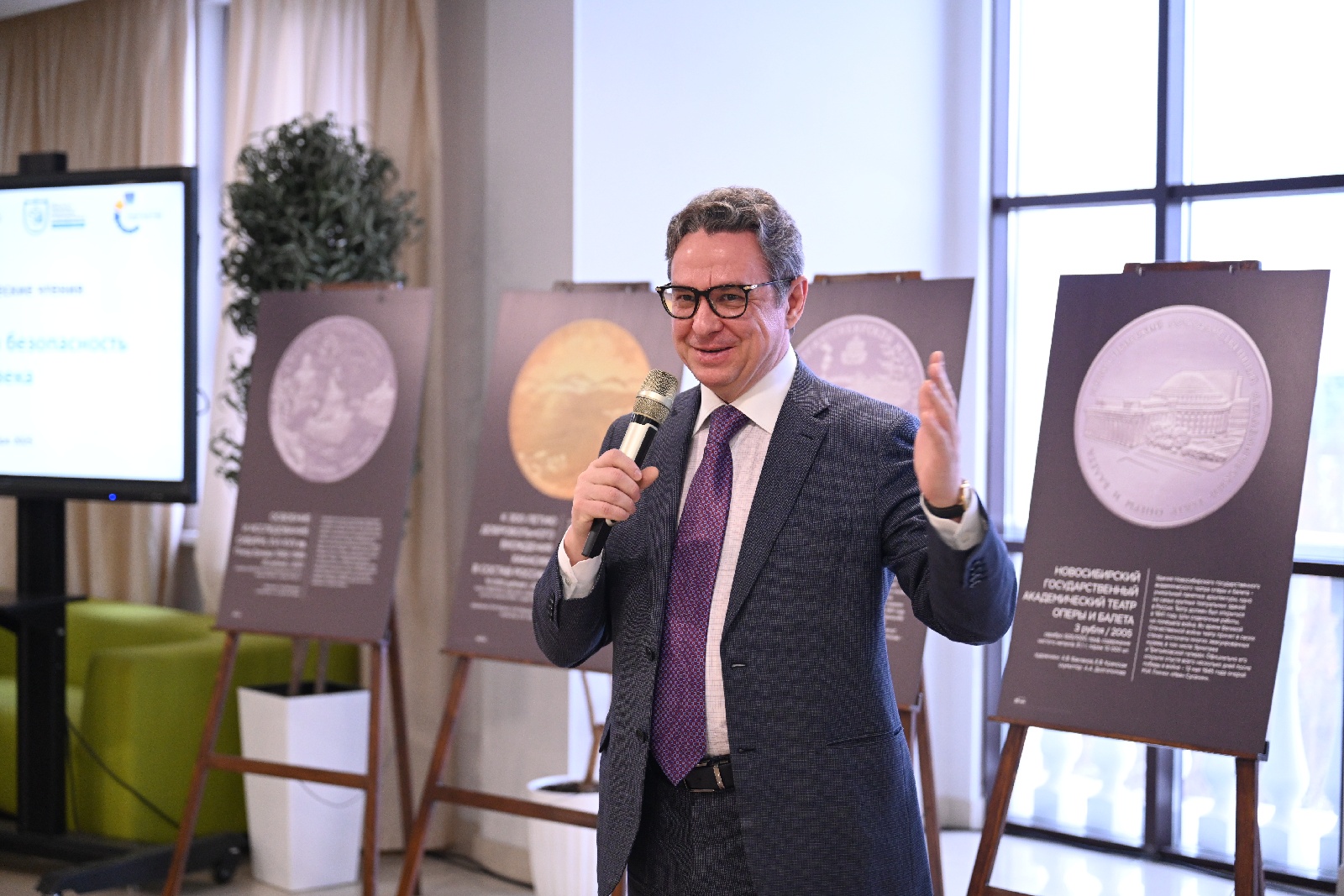
"The effectiveness of the monetary policy conducted by the Bank of Russia largely depends on trust in it, and trust is always based on understanding and openness. Therefore, in recent years, the Bank of Russia has become increasingly open to society. This allows us to implement monetary policy more effectively and achieve our goals. We are also open to the academic community and ready to participate in discussions with university colleagues, sharing our knowledge," emphasized Kirill Tremasov, Advisor to the Chairman of the Bank of Russia, in his welcoming speech.
According to Nikolay Morev, Head of the Siberian Main Directorate of the Bank of Russia, the Bank of Russia today is a high-tech financial market regulator responsible for supplying the economy and population with cash, maintaining and developing payment systems, and supporting financial and price stability in the country.
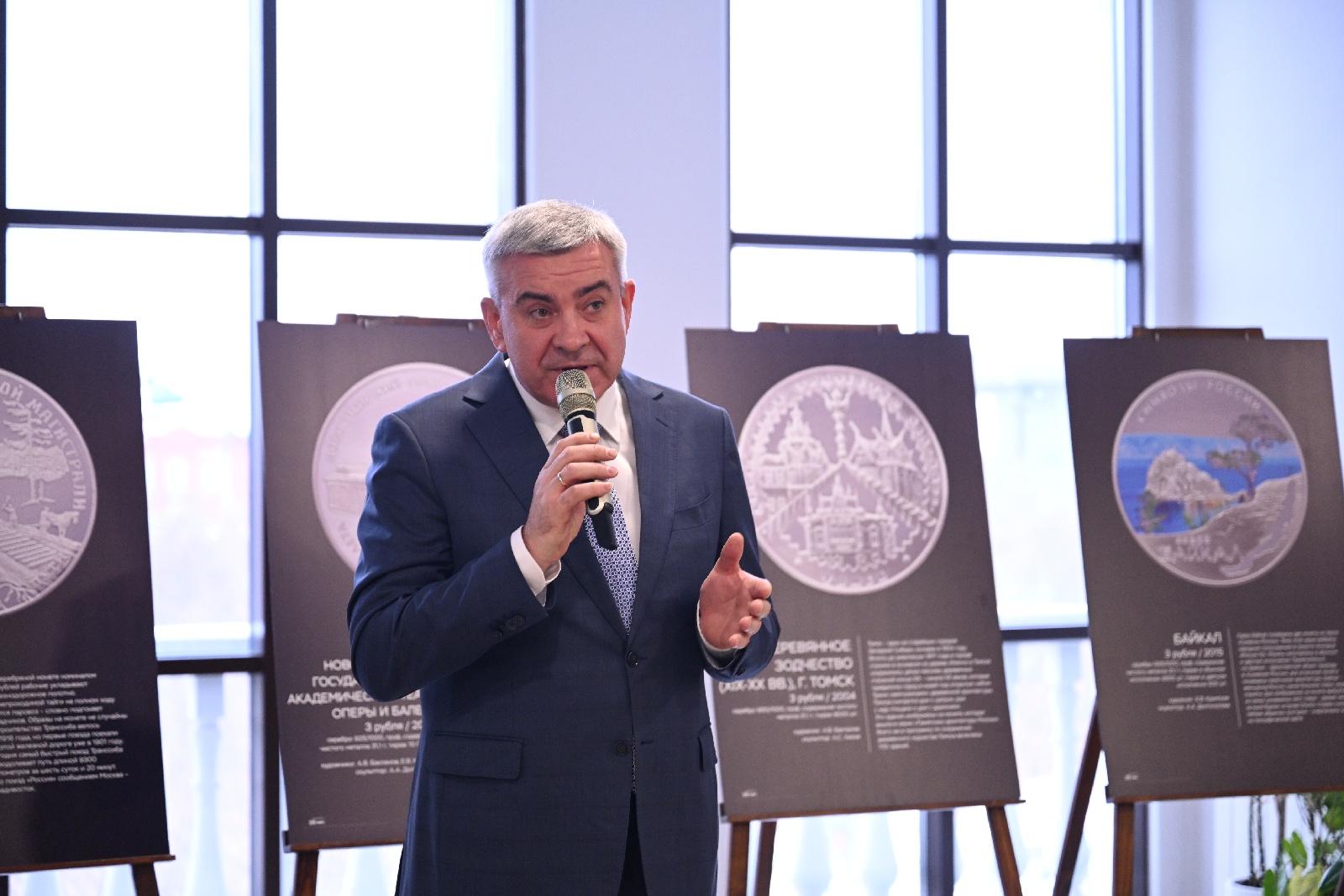
"Price stability is the foundation for people's well-being and doing business. In its work to develop financial literacy among the population, the Bank of Russia cooperates not only with government bodies, credit institutions, and law enforcement agencies but also with the academic community. A vivid example of such cooperation is Tomsk Oblast, wh ere we jointly, including with regional universities, conduct numerous events aimed at protecting people fr om fraud and enhancing their financial literacy and financial culture in general," said Morev.
Mikhail Sergeychik, Deputy Governor of Tomsk Oblast for Economic Affairs, expressed hope that open dialogue with society—particularly through interaction with the media—would help solve one of the main tasks facing the economy.
"Population well-being is not an abstract term for government authorities.It is the foundation of the regional and national economy," stated Mikhail Sergeychik. "Currently, we see that public behavior is characterized by a high degree of distrust in the economy. The task of the authorities is to change this to make the region more resilient and prosperous. Therefore, I am grateful to the organizers of the Economic Readings for the invitation to participate, as I hope that through communication we can convey our ideas to the population."
The Economic Readings were hosted for three days, from November 19 to 21. In 2025, the conference is dedicated to human well-being and security—topics more relevant than ever in an era of global changes. The conference not only featured section meetings wh ere young and experienced researchers presented their reports (including in English). The program also included open lectures from Bank of Russia experts and masterclasses on working with artificial intelligence and combating cyber fraud; a panel discussion on cyber fraud; a discussion "Horizons of Employment: Innovations and Institutions in the Era of New Economic Models"; a communication session "Monetary Policy of the Bank of Russia" with the participation of Bank of Russia representatives; a simulation game "Financial Quiz" for students of Tomsk universities; and other events. Participants of the roundtable "Economic Journalism as an Educational Trend" discussed a project for a new master's program in this field (the program is planned to launch in 2026 at the TSU Faculty of Journalism).